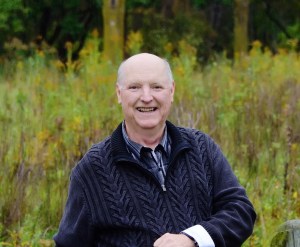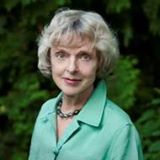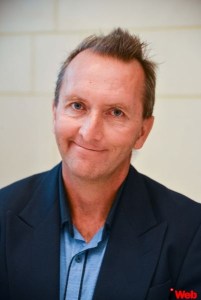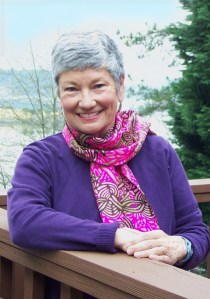
Interview With Author Deb Carver Owens

Could You Tell Us About Yourself ?  

Born in Peoria, IL and raised 22 years there, I graduated from Manual Highschool in 1971. I favored music classes at school and piano responsibility in the  Church during those years. I have lived in Montana,  Hawaii, California, Alabama, and Texas as well. 

Graduating from Barclay College vocational Legal Secretarial training in 1986, I worked as secretary/receptionist for many years until 2008 when I started writing in earnest. I have finished five books and have started outlining another. There are a mix of science fiction, short story, non fiction, poetry, and music.

I have been married for 30 years at the time of this bio and hope to have many more years with my dear husband.  

Mother of six children (his and hers), she also has 12  grandchildren and one great grandbaby so far.  

My husband and I live just a hop, skip, and jump from the Gulf. My favorite thing to do is creating purses, reading books, making crafts, working on my website, and reading my Bible studies. 

What made you write your book (s) ?  

As for the books themselves, the first work that was written started in 1990  when the “Poems to the Lord Notebook” copyright was obtained. It was many years  before any others were attempted. My dream is to be the absolute best author  that I can be. I love to read books and have read them for many years. One day  as I was reading, a thought formed in my mind that I would like to do this. 

I started reading the books in a different frame of mind paying attention to the  way the author told the story. The strengths of the plots and the depth of the  characters came into vivid focus. I got in touch with one of my favorite  authors who did a critique for me. They recommended that I get the book “How to  Write a Novel Using the Snowflake Method” by Randy Ingermanson. I immediately  ordered the work and read it several times. I found a new perspective as I read  about storytelling. 

What is the first book you remember reading ?  

The first book I read was the Bible.

What’s your favourite book ?  

My favorite book is titled Highland Bride. It is funny, serious, and romantic.

Who is your favourite author and why?  

Hannah Howell is my favorite author because she makes you feel like you are  right there with the characters. 

What is the most difficult part of your artistic process?  

I have a habit of writing in spurts, but once I get started the book progresses  exponentially.  

What’s your favourite writing snack or drink?  

Kool-Aid is what I like to drink most. 

Where do you get your idea (s) for your book (s) ?  

This was so weird. I had a dream one night about someone opening my head and pouring in words. For the next two or three months, I was typing constantly on the computer. My husband would wake up at three o’clock in the morning and I would still be at the computer. 

Do you try more to be original or rather give readers what they want?  

I try to be more original in the story line, but still give readers an  experience they like. 

How did publishing your (first) book ?  

I self-published the first book of the trilogy. 

How do you develop your plot and characters?  

I have a basic idea of who and what I want the characters to be. Then, I use  the snowflake method to fill out the details of each one. 

What part of the book was the most fun to write?  

Writing the descriptions of the planets was the most fun. I love to do creative projects.

How did you come up with the title for your book (s) ?  

The title was the first thing that came to mind in all my books. It just seems  that the titles fit the story line.

Which of the characters in your book (s) do you relate to the most and why?  

I relate to Lisa in the first book of the trilogy, SAGA OF BAZOR #1 The Hunt,  because she was based on me. She has some of my experiences and thought processes. 

How would you describe your book’s ideal reader?  

The readers who are ideal for my books are ones who love science fiction and  like a little bit of romance in the story. 

How long did it take for you to write a book ?  

It took about one month to put four books together and two more months to be  ready for editing. 

Did you get some negative feedback on your book ? and if so how do you deal with  that ?  

Yes, I did. I remember one review seemed that the reviewer was jumping all over  me because of this and that. Those kinds of feedbacks are read and then I  decide which of the feedback subjects I agree with. It is very helpful. 

How did you feel when you first published your book (s) ? Scared ? Excited ? Nervous  ?  

I felt nervous and excited when the books were first published.

Where can people who are interested in your book, buy your book ?  

There is another book besides the trilogy. It is titled Black Seven: Legend of  Venetta.  

Anyone who wants to buy my books (SAGA OF BAZOR #1 The Hunt, SAGA OF  BAZOR #2 Guardian of Secrets, SAGA OF BAZOR #3 Verria’s Gift, and Black  Seven, Legend of Venetta) can go to my WEBSITE.

Are you working on anything at the present you would like to share with your readers  about?  

I am working on a memoir now. The story is outlined. Then, all that needs to  be done is fleshing out the characters with the snowflake method.

After writing your book (s) what is your advice to people who want to become  writers?  

The main thing I can tell people is don’t quit. No matter how rough it gets or  how awful people review your book, learn from it. Turn around those bad reviews  for your good and finish your endeavor.

Deb Carver Owens Media Links

Website

Amazon Profile + Books

Interview With Author Dean Hovey

Could You Tell Us About Yourself ? 

I’m a total science and book geek. I love getting into scientific details and doing research. I’m plot driven, even though I know that the plot is only a mechanism to tell the readers a story about the characters. I enjoy creating relatable, but slightly flawed, protagonists who the readers will like.

What made you write your book (s) ? 

My writing career started with a resolution to stop watching television and do something more useful with my time. A friend, who is a police officer, supplied the plot inspiration for my first book “Where Evil Hides”.

What is the first book you remember reading ? 

“Something of Value” by Robert Ruark

What’s your favourite book ? 

“The Hunt for Red October”

Who is your favourite author and why?  

I love reading Tony Hillerman’s stories because he does a wonderful job of weaving Navajo culture into his mysteries.

How many hours a day do you write? 

It varies. 2-8 

What one thing would you give up to become a better writer? 

Coffee

What is the most difficult part of your artistic process? 

Writing the middle of a book. The beginning and end are easy, but filling in the meat is time consuming and tougher.

If you could spend a day with another popular author, whom would you choose and why ? 

“William Kent Krueger is a delightful and funny person. I’d love to spend a day with him.

What do you need in your writing space to help you stay focused?  

Quiet and no drama. It takes “emotional energy” to write and personal or family conflict saps that energy.

What’s your favourite writing snack or drink? 

Cheetos and Diet Coke

How do you celebrate when you finish your book?  

I don’t celebrate. Mostly, I feel a bit lost because I’ve spent so many focused hours writing that I suddenly don’t know what to do next. I feel like my friends (the characters) have left.

Do you listen to music while you write your book (s) ? 

I used to listen to Billy Joel while writing the Pine County books. Now, I’ll sometimes play an up-tempo mix associated with the book I’m writing. I play a lot of country music when I’m writing the Fletcher mysteries involving horses.

Where do you get your idea (s) for your book (s) ? 

I get some stories from the news. Readers suggest a lot of plots and locations.

What is / was your writing process like? 

I have a mental collection of ideas that bounce around. At some point, they congeal into a rough outline and plot. That’s usually enough to get the characters speaking to me. I get a cup of coffee, sit in my recliner, set up the laptop, and drift into the store. I mean mentally put myself into the setting.

Do you try more to be original or rather give readers what they want? 

I’m original. I understand who my readers are, and I don’t really cater to them, but understand they expect a certain type of plot, without explicit sex scenes, and without a lot of gore.

How did you publish your (first) book ? 

It took years of rejection letters before I found a publisher willing to guide me through the publishing process. He liked my story, so he helped by working with me through editing and rewriting until he felt the book was ready for print. It was painful to admit that my book (my baby) needed heavy editing (plastic surgery). But it did!

What kind of research do you do and how long do you spend researching before beginning a book? 

I do some research on the settings, sometimes by visiting them, other times by looking at Google Earth and websites. I have to understand the mystery, the cause of the victim’s death, the science behind the forensics, and the investigative process. I spend about an hour of research for every two hours of writing.

How do you develop your plot and characters?  

I have a vision of the plot, a mental outline, before I write the first paragraphs, usually based on ideas bouncing around in my mind. Then, I write the ending. As I write the center (meat) of the book, I rely on the character’s backstories to guide me through their dialogue. That dialogue often leads me to unexpected, and better, places than I’d intended.

What’s your favourite and least favourite part of publishing your book (s) ? 

My favorite part is touching the first paper copy of the book. Until that point, it seems unreal. My least favorite part are the endless rewrites required to get the details, vocabulary, punctuation, spellings, and plot flow all correct. The rewriting process is what makes the books good, so it has to be done. It’s just not the fun part.

What part of the book was the most fun to write? 

The ending. When I’m writing the ending, I know where the book is going, there’s usually action, and I can’t make the words come off my fingers fast enough. Dennis Lehane told me writing an ending is like trying to control a freight train going downhill on greased tracks.

How did you come up with the title for your book (s) ? 

The titles are difficult. Sometimes they become obvious as I’m writing. Other times I brainstorm with a few close friends. Other times, the publisher suggests a title.

Would you and your main character get along? 

I hope my main characters would be friends. They’re the kind of people I like to know. 

If you could meet your characters, what would you say to them? 

“You’re incredible.”

Which of the characters in your book (s) do you relate to the most and why?  

I like to relate to the problem-solving part of all my characters. Doug and Jill Fletcher, CJ Jensen, Pam Ryan, Floyd Swenson, Peter Rogers. They’re all smarter, wittier, and better looking than me.

What is a significant way your book has changed since the first draft? 

All of the books undergo an evolution. The first book was rough. I mean really rough. My dialogue has become more natural and I enjoy making the characters witty and fun people.

How would you describe your book’s ideal reader? 

The reality is that my readers are mostly female, mostly over 50, and mostly well read. They enjoy twisting plots with a few clues salted in along the way. They enjoy witty banter between the characters. They don’t want explicit violence or sex scenes.

What did you edit out of your book (s) ? 

I dial back the violence. Because I write murder mysteries, there’s a dead body. I don’t include the actual violent murder in most of the books. I prefer discussing the victim’s death after the fact.

What was your hardest scene to write? 

I had a cop telling an old bachelor that his neighbor/girlfriend died. I had tears in my eyes as I wrote.

How long did it take for you to write a book ?  

It used to take me 12-18 months. I’m more organized and focused now, so I write 4-5 books a year.

What do you hope your readers take away from your book (s) ? 

I hope they find my characters likeable and relatable. I hope the plots are engaging and realistic. I hope they want to read more of my stories.

What was the hardest part of writing your book (s) ? 

Proofreading is terrible. I know what I meant to say when I wrote the draft and I have a hard time seeing typos and other errors after I’ve re-read the draft a dozen times.

Did you get some negative feedback on your book ? and if so how do you deal with that ? 

I occasionally get some negative feedback. Everyone has an opinion and their own taste. I can’t react or change to meet one critic. I had a reader tell me my books had too much sex (there is romance that ends when the bedroom door closes). A week later a reader told me I needed to continue the romantic scenes beyond the closing door.

How did you feel when you first published your book?

EXCITED!! It took years to write, rewrite, and get published. It was indescribably exciting to actually see my name in print and touch the cover of that first book.

Where can people who are interested in your book, buy your book ?  

All my books are available on Amazon. They’re in print and in all e-book formats.

Are you working on anything at the present you would like to share with your readers about? 

I’m committed to releasing four books next year. There will be two Fletcher mysteries, a Pine County mystery, and a Whistling Pines mystery. I’m also ghostwriting a mystery for a deceased author to complete a series.

After writing your book (s) what is your advice to people who want to become writers? 

Write an outline to capture and organize your thoughts. Set aside writing time every day.

What are common traps for aspiring writers and have you faced any of them ? 

Rewriting from the beginning every time they sit down. I was taught by experienced writers to forge ahead. I sometimes read back a few paragraphs to start my momentum, but NEVER got back to the beginning until you’ve written the ending. With the ending in hand, you’ll look at the beginning differently, and may want to do a major rewrite. You lose all momentum by backing up to the beginning every time you sit down.

Do you read your book reviews? How do you deal with bad or good ones? 

I love reviews. They remind me of the reason I write: to connect with readers.

Is it something more you want to tell us which I forgot to ask about? 

There are six phases to writing a book. Phase one is developing a plot outline and creating a backstory for your main characters. Phase two is drafting the original. Phase three is rewriting and polishing. Phase four is finding a publisher. Phase five is working with an (objective) editor assigned by the publisher who may only make corrections, or may rip your manuscript apart and work with you to rebuild it. Phase 6, the most overlooked and often hated part, is promotion. Every publishing contract has a stipulation that the writer put significant effort into promoting their book. If you don’t promote your book (do book signings, blog, connect on social media, and do readings at libraries) your book will sell a few copies to friends, relatives, and colleagues. One best-selling author told me he spends an hour promoting his books for every hour he spends writing.

Dean Hovey Media Links

Amazon Profile + Books

Interview With Author Ann Birch

Tell us about yourself. 

I was an award-winning educator, and Head of English at several Toronto high schools. I was also an associate professor in the teacher-training programs at York University and the University of Toronto. Since retiring from the teaching profession, I now find time to write. My writing includes a best-selling “how to” book called Essay Writing Made Easy, a memoir commemorating the hard-working volunteers at an historic Toronto house, three historical fiction novels about real people who once lived here when Toronto was called York, and a modern novel about a University of Toronto professor. I hold a post-graduate degree in Canadian literature, and I write essays and reviews for magazines and newspapers. I also teach writing, do freelance editing, and give lectures on people from our fascinating historical past.

What made you write your books? 

My essay book was, of course, an attempt to help students write well. My memoir came from my decade of work as an historical interpreter during which time I came to appreciate the dedication of volunteers. My modern novel pulled some memories from my years at the University of Toronto. My three historical novels came from the wide knowledge of 19th century domestic, social, and political life I gained in my time working in Toronto’s finest old houses. I learned, for example, why table knives had rounded edges, why candles were stored in metal safes at night, and why even the best people seldom bathed.

What is the first book you remember reading?

As a child, I always had my nose in a book. Perhaps my most memorable early books were The Scarlet Pimpernel and A Tale of Two Cities. I grew up in two small rural towns, and these books gave me a glimpse into a wider world that I found fascinating.

How many hours a day do you spend writing? 

There are always the e-mails that need answering, the dog that needs walking, the grass that has to be cut, and mundane tasks  often take me away from finding time for my fiction writing. Some days I don’t work at all on my fiction. Other days I may find time for several hours of work.

What is the most difficult part of the artistic process?

It’s the first draft. Once I have that in place, I truly enjoy the editing process.

What kind of research do you do and how long do you spend researching before beginning a book?

I try to have a good general knowledge of my character before I start writing. This knowledge often comes from biographies and other secondary sources. Then I generally plunge into the writing and pause for more research when I need to know more about a character. At this point, I’m often to be found in various archives reading diaries and letters. For example, I needed more information about the young child who lived with Elizabeth Russell and her half-brother Peter. That quest for more information sent me to the archives to read Elizabeth Russell’s scribbled diaries. Her handwriting was god-awful, but I persevered and after several days of eyestrain, I was able to understand much much more about this young girl. My increased knowledge enabled me to add a chapter or two to the manuscript in progress.

Where can interested readers find out more about your books?

My books are described in detail on the Amazon website, or they can Google my name and get lots of info. Two of my latest novels, Duelling in a New World and A Daughter Rebels, are promoted on my Author Ann Birch Facebook page. I also frequently speak to historical societies, and readers who may belong to one of these societies are sure to meet me sooner or later. I also welcome inquiries at my e-mail address: annbirch@uniserve.com

Ann Birch Media Links

Amazon Profile + Books

Facebook

Interview With Author Fred Felton

Could you tell us about Yourself?  

I was born in the coastal town of Durban, South Africa. For most of my life I have lived all over  Durban, South Africa. At present I live in Durban.  

What made you write your book?  

My book Nightmare Destinations was the culmination of many years of writing. It features a  collection of short stories guaranteed to keep you up until late at night.  

What is the first book you remember reading? 

The Stand by Stephen King. It’s a classic.  

What’s your favourite book? 

Well it’s more of a series. The Dark Tower by Stephen King.  

Who is your favourite author and why? 

Stephen King. His output is legendary and his books have stood the test of time.  

How many hours a day do you write? 

I normally aim at 5 hours a day.  

What one thing would you give up to become a better writer? 

Procrastination.  

What is the most difficult part of your artistic process? 

That would be getting started. Once I have begun the process rolls quite smoothly and it’s all about  filling in the gaps.  

If you could spend a day with another popular author, whom would you choose and why? 

Stephen King. I would love to learn more about him and his writing process. 

What do you need in your writing space to help you stay focused?  

Peace and solitude.  

What’s your favourite writing snack or drink?  

Coffee.  

How do you celebrate when you finish a book? 

I normally go out for a hearty breakfast to celebrate.  

Do you listen to music while you wrote your book(s)? 

Sometimes, I generally favour trance music it helps a great deal.  

Where do you get your idea (s) for your book (s)?  

They can come from anywhere. Sometimes walking down the street or sometimes in a dream.  

What is / was your writing process like?  

I generally like to start with a skeleton draft and then fill in the blanks. For the most part I have the  ending in mind but sometimes that may change.  

Notes help a great deal.  

Do you try more to be original or rather give readers what they want?  

Mostly I am at originality but if a reader wants a particular story I try my best to see what I can do for  them.  

How did you publish your first book? 

I had to go the route of self-publishing and it was certainly a learning curve and I learnt a great deal along the way. Now you can find most of my books on Amazon.  

What kind of research do you do and how long do you spend researching before beginning a book? 

I like to take my time with research so it can take anywhere from a few months to a year for  research depending on how complex the subject matter is.  

How do you develop your plot and characters? 

This takes time and I work on them both constantly. The plot and characters have to stand out.  

What’s your favourite and least favourite part of publishing your book (s)?  

The favourite part is getting it done. There’s a sense of accomplishment in it. The least favourite part  is chasing a deadline and getting all the requirements in place to publish in time.  

What part of the book was the most fun to write?  

I had a wonderful time writing the story about the drone.

How did you come up with the title of your book? 

The book title for Nightmare Destinations came from a place where scary tales could happen.  Where would that place be?  

Would you and the main character get along?  

That depends on which story we are talking about, if you are talking about a serial killer then  certainly no, but a policeman with drive, that I could relate to. 

If you could meet your characters, what would you say to them?  

If you only knew how long it took me to create you.  

Which of the characters in your book(s) do you relate to the most and why?  

Certainly the detective, after all a great writer is very similar to a detective.  

What is a significant way your book has changed since the first draft?  

Many of the characters changed and some were rewritten to make each story better.

How would you describe your book’s idea reader? 

I think that would be someone who is looking for an enjoyable read. Certainly someone who loves  short stories, there are also tales for anyone who loves science fiction, mystery, horror and  suspense. The tales are also perfect to read on a plane or bus trip.  

What did you edit out of your book? 

Certain pieces became to wordy and sometimes you just have to cut them out to make the story better.


What was your hardest scene to write?  

The final scene in the story The Head would be the one. It took a great deal of time and work for  everything to come into place.  

How long did it take for you to write a book?  

Nightmare Destinations took around two years to complete.  

What do you hope your readers take away from your book?  

I hope they enjoy the book and getting taken away to different worlds and I hope afterwards they  think differently about life.  

What was the hardest part of writing your book? 

Finishing it.  

Did you get some negative feedback on your book? And if so how do you deal with that? 

Not really, most people have loved reading it.  

How did you feel when you published your book? Scared? Excited? Nervous? 

All of the above.  

Where can people who are interested in your book, buy your book?  

You can find my book Nightmare Destinations on Amazon:

Are you working on anything at the present you would like to share with your readers about?

 At present I am working on another collection of short stories.  

After writing your book what is your advice to people who want to become writers?  

Learn as much as you can about the craft. Read as many books as you can and write as much as you  can. Also if you get a crazy idea write it down. You never know it might just lead to a bestseller.  

What are common traps for aspiring writers and have you faced any of them? 

Certainly getting started and also finishing a book. Dealing with rejection from publishers. I have  faced them all. Keep pushing and get your book finished and keep trying to get your book published. 

Do you read your book reviews? How do you deal with bad or good ones?  

I read some of them and learn from all of them.  

Is there something more you want to tell us which I forgot to ask about? 

I have read many comics and watch many series and movies. You can learn a great deal from them. 

Fred Felton Media Links

Amazon Profile + Books

Website

Authorsden

Interview With Author Linda Lovely

Could You Tell Us About Yourself ? 

A journalism major in college, I’ve always written for a living—everything from speeches and marketing brochures to feature articles for business and trade magazines. The last ten years I’ve concentrated on writing mystery/suspense/thriller novels.

What made you write your book (s) ?

I love reading mysteries and always promised myself I’d try writing one.

What is the first book you remember reading ? 

Afraid my recall isn’t that good. I do remember regular grade school trips to the public library to stock up on mysteries and stories about horses. 

What’s your favourite book ?

Like a mother who isn’t willing to name a favorite child, I have too many books and authors I love to read to pick one. I’m an eclectic reader and enjoy reading thrillers, cozy mysteries, romantic suspense, young adult fantasy and historical novels. In general, I much prefer fiction to nonfiction titles.

How many hours a day do you write?

Zero to 10 hours. It depends where I am in the book production cycle. The 10 hour estimate also includes time I spend on research—which is part of the fun of writing.

What is the most difficult part of your artistic process?

Deciding when it’s time to stop tinkering with a manuscript. Every time I read it, I think maybe I can improve it.

If you could spend a day with another popular author, whom would you choose and why?

Probably Susan Isaacs because, like me, she hasn’t restricted herself to one niche. She’s penned historical and contemporary novels and I love her sense of humor. 

What do you need in your writing space to help you stay focused?

My husband and I once tried to share an office. Didn’t work. I like it quiet, no music.

What’s your favourite writing snack or drink?

I love coffee. Brew it half regular, half decaf to cut down on the caffeine.

How do you celebrate when you finish your book?

Dinner out, maybe? Usually it means I need to catch up on chores I’ve neglected.

What is / was your writing process like?

I’m a pantser—write by the seat of my pants. When I start, I know who the heroine (it’s always a heroine though she may have a partner) and villain will be. And I know the villain’s motives and goals. That’s it. Then I’m ready to go along for the ride. 

Do you try more to be original or rather give readers what they want? 

I hope readers enjoy my books but I don’t attempt to write what’s currently in vogue. That’s always a recipe for disaster. I write about topics, themes I find fascinating.

What kind of research do you do and how long do you spend researching before beginning a book?

I love doing research, and I tend to do it throughout the writing process as new questions arise. Whenever possible, I try to interview experts and people with the same careers as my characters.

How do you develop your plot and characters?

As noted earlier, the plot unfolds for me as the characters interact. The characters (good and bad) are usually blends of people I’ve encountered over the years.

What’s your favourite and least favourite part of publishing your book (s) ?

I enjoy chatting with readers in person at book signings, book clubs, etc. I tried using a variety of social media platforms, but eventually quit the ones that made me grit my teeth.

Would you and your main character get along?

Definitely.

If you could meet your characters, what would you say to them?

I’ve really enjoyed getting to know you!

Which of the characters in your book (s) do you relate to the most and why?

I tend to relate to older characters, who, like me, grew up without cellphones and constant social media pressure.

What is a significant way your book has changed since the first draft?

With my process, I’m constantly revising the draft as I go.

How would you describe your book’s ideal reader?

My ideal reader not only loves mystery/suspense but likes to have an occasional laugh while she’s reading.

What was your hardest scene to write?

I always spend the most time trying to make action scenes both realistic and suspenseful.

How long did it take for you to write a book ?

My current publishing contract requires a book every year. My previous publisher had me on a nine-month schedule. That was too tight for comfort.

What do you hope your readers take away from your book (s) ? 

There’s an underlying theme in my HOA Mystery series, it is the folly of trying to force your values/standards on others and to be wary of bullies who clothe selfish demands in hypocritic rhetoric.

What was the hardest part of writing your book (s) ?

Dialogue is always difficult. You want to make sure each character has a unique voice and that his/her vocabulary is appropriate for his/her age, background and education.

Did you get some negative feedback on your book ? and if so how do you deal with that?

You can’t please everyone. My 11th novel is scheduled to be published this November. I’m sure it will offend someone. That’s balanced by the readers who’ll enjoy it.

How did you feel when you first published your book (s)? Scared ? Excited ? Nervous?

The release was so much fun. My local bookstore hosted the launch and I celebrated with long-time friends and family.

Where can people who are interested in your book, buy your book ?

Most of my books are available via all online booksellers and can be ordered through brick-and-mortar bookstores. Level Best Books will release my third HOA Mystery this fall and will also begin the release of second editions of my humorous Brie Hooker Mysteries set on a goat dairy farm.

Linda Lovely Media Links

Website

Amazon Profile + Books

Facebook

GoodReads

BookBub

Barnes & Noble

Interview With Author Jonathan Faia

Could You Tell Us About Yourself? 

I’m the author of two top selling books in, Wylde Serenity and my latest book, Love Letters From  Barstow. I’d like to say I’m a passionate writer whose work evokes a wide range of emotions.  Encompassing despair, angst and even flirts with death while reflecting on the indulgences of love, and  the loneliness that accompanies its failures. I was born in Fullerton, California and was lucky enough to  land in the hands of the public library, which cultivated my love for books and words. I also pass the time  writing freelance articles and performing artist interviews for several online publications. In my free  time, my family and I love to walk the aisles of local independent booksellers. 

What’s your favourite book? 

There are so many books that have shaped me as a writer it’s hard to narrow it down to one. I’d have to  narrow it down to two, On The Road, by Jack Kerouac or Siddhartha by Hermann Hesse. Both books  were so pivotal to me as a young adult trying to determine who I’d be. I recommend them both to any  young adult struggling to find their identity. They are both classics and I’d be lost without having been  able to experience them both. 

Who is your favourite author and why? 

I’m heavily influenced by the “Beat” movement of the 1950’s and 1960’s. The writing just speaks to me  like no other. So, I would have to say Jack Kerouac would be my favorite author. At 18, On The Road  absolutely changed my life. I’d say our work has a commonality of dealing with loss and the search for  something meaningful to hold on to. I have a long way to go before I could ever be on the level of a  Kerouac though.  

What is the most difficult part of your artistic process? 

The most difficult part of the artistic process for me are the emotions that my writing evokes in me. I’ve  had the great honor that some of my writing has been compared to Charles Bukowski, as it is very  honest, stripped down and raw. Delving into that type of emotion on a project can really affect you if  you don’t have a way to disconnect. All my words are my truth and that’s not always easy to navigate.  Sometimes you must protect yourself from being swallowed by your own ideas. 

What’s your favourite writing snack or drink? 

My taste in writing snacks has changed from my first book to now. As a younger writer, I wrote a lot at  night so I favored beer and wine hoping it would create a more relaxed and natural atmosphere. Now  that I’m older, I write in the day a lot of the time and I’ve traded in my old tastes for Pepsi and tea. It’s a  lot less exciting and sexy, but it keeps me focused during the day. 

Do you listen to music while you wrote your book(s)? 

In true “Beat” fashion, music is a big part of my writing. I love to have music playing in the background  during my writing sessions. Everything from Jazz, to the Rolling Stones, to Aimee Mann, to modern  bands like Big Thief or The Beths. 

What is / was your writing process like? 

My process is a little strange. When I write, my thoughts are a little manic, so I tend to scribble down  ideas on everything from receipts, to napkins, almost any scrap of paper I can get my hands on. This will  date me, but a good portion of my first book was written on map pages. Sometimes it’s just a sentence  or two, or maybe even a phrase but they can turn into gold. I don’t want to lose anything. Once I’m  home I’ll start assembling the pieces and crafting them into ideas and poems. It can be stressful, but I  wouldn’t have it any other way. The process just feels honest to me and that authenticity is what my  readers are used to and appreciate.  

Do you try more to be original or rather give readers what they want? 

My fan base has been very loyal over the years and they accept me for who I am. I think it’s because  they know I’m honest to a fault and there isn’t an emotion I don’t share, good or bad. So, I feel like I give  them what they want, but it’s never at the expense of my own emotions and voice. I was once stopped  by a reader and they asked me, “how do you know all the emotions I’m afraid to share with anyone?”  That interaction alone let me know that my writing connects with others and I don’t need to worry  about writing to be liked, instead I write for the connection. 

How did you publish your (first) book? 

My first book, Wylde Serenity was independently published in 2012. In my early 20’s I began collating  what I thought would be my first book, however life took another road. In 2012, I decided it was going  to be now or never and I began compiling entries for the book. I shopped it to a few publishers but I was  unsuccessful. It was then I thought, why not do this on my own? This way my voice would be heard and I  could realize my dream. So that’s what I did, and I couldn’t have been more pleased with the results.  The book took off and I sold more copies than I could ever have dreamed of. I did everything for that  book from the writing, editing, shipping and promoting. I went to every independent bookseller I could  find in the Southern California area to promote and get on the shelves. I visited every book festival I  could that year, it was great. What really surprised me was the international traction the book had. That  book was one of my proudest moments. 

How did you come up with the title for your book(s)? 

My latest book is titled, Love Letters From Barstow. It figuratively illustrates the long, lonely road from  Los Angeles to Las Vegas. Love Letters From Barstow shares empowering poems that reflect on love,  heartbreak, and one man’s limitations. Anyone traveling from Los Angeles to Las Vegas knows the  excitement that comes over you as you hit the sleepy traveler town of Barstow, California at the half  way mark of your journey to Las Vegas. Conversely the trip home tends to have a much more solemn  note when you hit Barstow. Whether it’s the dread of falling back into the structure of everyday living or  the regret of what you left behind in Las Vegas, the emotions are heavy. The poetry in this book really  manifests that.

How would you describe your book’s ideal reader? 

I think the ideal reader for, Love Letters From Barstow is someone who identifies as a little bit of an  outsider. Maybe someone who needs partner in their own struggles. This book lets people know it’s  alright to feel different and that loneliness is not the end. 

How long did it take for you to write a book? 

The book took the better part of a year from content to editing. Most of that time it was piecing ideas  together. I really think it could have been done faster, but I hit a writer’s block at the midway point that  really distracted me. It was about that time I reread Kurt Vonnegut’s book, Breakfast Of Champions.  That book gave me the courage to be creative again. 

What do you hope your readers take away from your book (s)? 

I really hope readers take away the idea that they aren’t alone. No matter what they may feel at the  time, there is someone out there having the same emotions and thinking the same thoughts. Giving up  doesn’t have to be the only option anymore. 

What was the hardest part of writing your book (s)? 

In all honesty, the writing is the easy part, it’s what comes after that is tough. The editing and the  promotion are enough to really drive someone mad. In the editing process a writer agonizes over every  word in hopes of making a connection with the reader. I truly feel the promotion is the hardest part of  the writing process though. As a writer you want to share your thoughts with everyone and it can be  hard to connect with an audience. So many times, you think to yourself if people only knew my work  was out there. The competition is real. As a writer you’re fighting for an audience, fighting for shelf  space and a place in a reader’s heart. You just hope at the end of the day the work speaks to someone. I  read once that only 9% of books sell more than 200 copies. So, just finding a way to let people know  your words are out there is pivotal. I’ve been lucky that both my books have been great sellers, but it  doesn’t come without a lot of effort on the author’s part.  

Where can people who are interested in your book, buy your book? 

Love Letters From Barstow is available at almost all online retailers both here in America and abroad. It  is available in paperback and in digital formats. Readers can also reach me at my website, there are links there to the major online retailers including  Amazon.com and Barnes & Noble.

Are you working on anything at the present you would like to share with your readers? 

I’m currently promoting my latest book, Love Letters From Barstow. Making connections with readers  means a lot to me. Every opportunity I get to sign a book and listen to a reader tell me how they  connected with the book reaffirms that I’m not alone. As much as the book does something for them,  their stories do the same for me. 

After writing your book (s) what is your advice to people who want to become Writers? 

I would tell aspiring writers and any creative person to read as much as you can, experience as much as  you can, and follow your heart no matter what doubters may say. Get out of seclusion of your homes  and experience your local library. If you give it a chance, you’ll find a safe place that will open up your  creativity.  

Jonathan Faia Media Links

Website

Amazon Profile + Books

Facebook

Instagram

Twitter

Interview With Author AJ Pagan IV

Can you tell us about yourself?

I am a new father, a happy husband, a Weiner dog aficionado (we have a lil guy, Milton). I am also a hobbyist cook, hiker, reader, and writer. 

What made you write your book?

I was writing my thesis in grad school, in organic chemistry, and was searching for jobs in 3D organ printing. Hearts, lungs, kidneys are in research phases. My ethical side struck me, what if the worst were to happen? All my novels deal with brains at the intersection of high technology, power, and ethics.

How many hours a day do you write?

I write for an average of 2 hours a day (4AM – 6AM), when on a project. I do not write everyday. If I finish a novel, I take a little mental break. I don’t force myself to power through words on the daily, which is a very common thing in the writing world. A lot of people focus on making words happen no matter what. I don’t like it and am no proponent of that. I write when I want to, and you should too.

What is the most difficult part of the artistic process?

That’s a tough one. Artistically, I think it’s creating the next best thing for yourself. How does one best themselves? That’s tough. But for the entire process of publishing books, marketing books, selling books is the real hard part. I’m a writer, not an ad guy.

What do you need in your writing space to help stay focused?

QUIET. Seriously. I wake up at 3:45AM most days to write before my day starts, before I have thoughts, before anything else can make me think about anything. The blank slate mornings make me prosper.

How do I celebrate with I finish a book?

The Hank Moody way, whisky and weed. Whisky whenever I finish, even if just a few drops (as it’s generally in the morning) and then maybe some weed that night to stay strong on the celebratory side.

What is your writing process like?

I mull, think, brew for a long time. A long time. Months and months I jot down notes, thinking, do I have something here? Yet? What is the story? Who are these characters? They need to fill out. I also do plenty of research, a lot. I am a scientist, and keep it that way. Science Fiction that doesn’t follow the rules (physical laws) or is ridiculous or illogical is not my cup of coffee. You need to skeleton, and then you add the meat. Once I am mentally prepared to start, I wake up early like I said, and jam that keyboard until my brain is tired. 

What part of the book was the most fun the write?

I think the most fun part to write was Brian’s point of view. He’s amazing, hyper-intelligent, closed off from the world, and immensely powerful in himself.

Which characters do you relate most to and why?

Well, I would say Ellie. She’s a hardened scientist that doesn’t take shit from people. I don’t either. But I’m a bit nicer than Ellie. And she’s a LOT smarter than I am. She’s severely logical but emotional, I try to be more of the former, but I am also human. We err.

How long did it take to write your book?

Brian, Created Intelligence took me 6 years to write. From creation as I was writing my thesis in graduate school for organic chemistry, to just about 2 years ago, and then I hired an editor and he helped polish this story to what I think is as perfect as it could be, for me and my story. 

What do you hope your readers take away from your book?

I hope anyone who reads Brian, Created Intelligence is aware that technology is fast, and corporations will stop at nothing to gain power and capital. No matter if a single human or a city is to be harmed. I write books of ethics. Brian should have never been created, that’s what I want people to understand most. Would you want to have no body, and be told to compute for some powerful entity with no option to do otherwise? That’s slavery, and no, your answer is no, and mine, and everyone else’s. 

How did you feel when you first published your book?

I’ll tell you a raw answer. I was nervous, but also hurt. Not a single friend of mine who I have known longer than ten years was interested at all in my book. So it was a mix. People, if you have a friend who’s writing a book, be supportive, it means everything to us and doesn’t take a whole lot either.

Are you working on anything at the present you would like to share with your readers about?

Absolutely. My next novel deals with a heavy-tech brain implant and all the horrible things that can and will happen if that comes to existence. You can find out more and read some of the first chapters on my website. DreamState is publishing January 01, 2024. 

Do you read your reviews? 

Unfortunately, yes. Even if some reviews are not very clear or sensical. Oh well!

After writing, what advice do you have for people who want to become writers?

Just write. You don’t need to know all the perspective types or have the vocabulary of Fitzgerald, you just need to write your heart out. You’ll figure out what works. And one more, don’t feel the need to stay within some made up boundary. Literally everything is made up. Break that boundary and be creative.

AJ Pagan IV Media Links

Website

Amazon Profile + Books

Twitter

Interview With Author Lyndee Maharaj

Could You Tell Us About Yourself? 

My name is Lyndee Maharaj (Lab Maharaj) and I am a student (PhD in Computer Science) with a background in Digital Marketing Management. I have authored 5 published books. I have a passion for technology and strive to stay on the cutting edge of the latest innovations. I have a strong commitment to excellence and integrity, which I apply to all of my professional endeavors. Additionally, I am an organized and detail-oriented individual who is able to manage multiple projects simultaneously. I am a team-player and thrive when working collaboratively with others. 

How many hours a day do you write? 

I try to write for at least two to three hours a day. On days when I am not as busy, I may spend up to four to five hours writing. 

What is the most difficult part of your artistic process? 

The most difficult part of my artistic process is coming up with the right words to effectively convey my ideas and emotions. Writing is a creative process and can often be challenging to express my thoughts in a meaningful way that resonates with the audience. 

Where do you get your idea(s) for your book(s)? 

I get my ideas for my books from the world around me, including music, art, and everyday life. I pay close attention to details, conversations, and experiences, and use these as inspiration for my stories. 

What is your writing process like? 

My writing process involves a few steps that I take to ensure my writing is of the highest quality. I brainstorm ideas and jot down my thoughts to come up with the main idea for my piece. Once I have that, I create an outline that serves as a roadmap for my writing. This helps me to stay focused and organized as I write. After I have completed a rough draft, I take the time to read it over and make any necessary changes. Once I am satisfied with the final draft, I review it again, making any final edits before submitting it. 

How do you develop your plot and characters? 

I develop my plot and characters by brainstorming ideas to see what works best for the story. I make a list of all the characters, their personalities, and their relationships to each other. I also think of events and actions that will shape their story, and create an outline of how the plot will unfold.

How would you describe your book’s ideal reader? 

My book’s ideal reader is someone who is open minded and enjoys being immersed in detailed and intricate worlds. They appreciate stories that challenge the status quo and spark intelligent conversations. 

Are you working on anything at the present you would like to share with your readers about? 

I am currently working on a few novels on Wattpad, which is a great platform for writers to showcase their stories. This is a great opportunity for me to get feedback on my work, and improve my writing skills. 

They can be found here

What are common traps for aspiring writers and have you faced any of them?

I have not always set aside enough time to write, and I have not always had a clear goal for what I wanted to achieve with my writing. I have also not always sought feedback from others or networked with other writers. 

Lyndee Maharaj Media Links

Amazon

Website

Kobo

Barnes & Noble

SmashWords

Scribd

Apple Books

Facebook

LinkedIn