
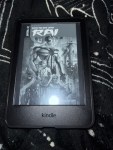
In the aftermath of the devastating battle for 41st-century Japan, Rai must pick up the pieces as he grapples with the startling truth about Father and his purpose. Will Rai remain a champion of the people or will he succumb to the same fate as the men who carried the mantle before him? And why is everyone looking at him so strangely?
This comic book presents a visually impressive continuation of the series but struggles with narrative depth. While the artwork captivates, the story falls short in delivering a cohesive and engaging experience.
This comic book is set in the technologically advanced yet dystopian world of New Japan. And this comic book follows Rai, the guardian of the nation, as he grapples with rebellion and existential dilemmas. Kindt’s ambition to explore themes of identity and control is evident, but the execution lacks clarity and focus. The plot meanders, making it difficult for me personally to become fully invested in Rai’s journey.
The character development is a notable weakness in this comic book. Rai, as the central figure, is not given enough depth or emotional complexity. His internal struggles and motivations are only superficially addressed, that have left me with a protagonist who feels detached and one-dimensional. The supporting characters, while intriguing, are similarly underdeveloped, serving more as plot devices than fully realized individuals.
The writing style in this comic book introduces a world filled with potential for rich storytelling but often leans heavily on exposition rather than allowing the narrative to unfold organically. The dialogue, while serviceable, lacks the emotional weight and nuance needed to elevate the stakes or deepen character connections. This reliance on telling rather than showing detracts from the overall impact of the story.
The artwork is a highlight of this comic book. The stunning visuals capture the futuristic and intricate landscape of New Japan with breathtaking detail. The use of color and texture creates a vivid and immersive atmosphere, enhancing the sci-fi elements of the narrative. Each panel is meticulously crafted, bringing the world to life with a dynamic and cinematic quality.
Despite its visual strengths, the pacing of this comic book is uneven. The story oscillates between action-packed sequences and slower, introspective moments, but the transitions often feel abrupt. This inconsistency disrupts the flow, making it challenging for me personally to maintain engagement or fully appreciate the narrative’s progression.
The thematic exploration in this comic book of control, rebellion, and identity is present but not deeply explored. While these themes are woven into the plot, they lack the depth and complexity needed to provoke meaningful reflection or resonance. A more thorough examination of these ideas could have added layers to the narrative, making it more compelling.
I Give This Book 2 / 5
 The Book Corner Chronicles