“Line of Defense #0” By Ricardo Sanchez Review

The Insurgents have overrun Lyrius, a decommissioned GALCOM outpost in an ignored corner of space. The planet’s proximity to other GALCOM systems, and its poor defenses, made it an ideal target for the Insurgents to claim as a base of operations in their fight. The attack caught the GALCOM generals unprepared, but more troubling than the show of force were intelligence reports on a new Insurgent super weapon being tested on Lyrius. One capable of reaching, and destroying, Earth.

This comic book attempts to set the stage for an engaging sci-fi series but falls short in delivering a compelling narrative. Despite its promising premise, this comic book struggles with coherence, character depth, and overall execution.

The story in this comic book introduces us a futuristic world embroiled in conflict, focusing on a group of soldiers navigating a high-stakes mission. While the setup suggests potential for thrilling action and strategic intrigue, the plot quickly becomes muddled. The narrative lacks a clear direction, with disjointed scenes that fail to form a cohesive storyline, which have left me confused and disconnected from the story of this comic book.

The character development is notably weak in this comic book. The protagonist and supporting cast are introduced with minimal depth, making it challenging for me personally to connect with or invest in their journeys. Their motivations and backgrounds are scarcely explored, resulting in characters that feel more like placeholders than fully realized individuals.

The writing style in this comic book, though filled with technical jargon and military lingo, often feels forced and lacks the nuance needed to create engaging dialogue. Conversations serve more as exposition dumps rather than meaningful interactions, which detracts from the potential for dynamic character exchanges and narrative development.

The artwork in this comic book, while competent, does little to enhance the overall reading experience. The illustrations capture the sci-fi setting but often lack the detail and dynamism needed to convey the intensity and excitement the story demands. The visual style, though serviceable, fails to fully immerse us as readers in the futuristic world, further diminishing the impact of the narrative.

The pacing in this comic book is another issue I had in this one. Because the scenes in this book either drag on without adding significant value or rush through potentially important moments, disrupting the flow of the story. This inconsistency makes it difficult for personally to maintain interest or fully grasp the plot’s progression. The absence of a clear narrative arc further exacerbates this problem, which have left me without a satisfying sense of direction.

Despite its shortcomings, the concept of a military sci-fi narrative filled with tactical maneuvers and interstellar conflict holds potential for future development. With a more structured storyline and deeper exploration of character motivations, subsequent issues could better capture the excitement and depth inherent in the premise.

I Give This Book 2 / 5

“Devil’s Ridge” By X. Aratare & T. Wolv Review

Aidan has always dreamed of a different life, one that was somehow more than what he knew. Desperate times force him and his adoptive family to move to Grandfather Patrick’s house on Devil’s Ridge, a tiny, rural town, that is far more than what it seems.

This comic book presents a narrative filled with supernatural intrigue and romance, but unfortunately, it falls short of its potential. While the premise of this comic book hints at an engaging blend of mystery and fantasy, the execution leaves much to be desired in terms of storytelling and character depth.

The story in this comic book is set in a small, enigmatic town where strange occurrences are the norm. The protagonist arrives with a sense of curiosity and trepidation, eager to uncover the secrets lurking within Devil’s Ridge the creators of this comic book sets up a promising atmosphere, weaving elements of the supernatural with hints of romance. However, the plot quickly becomes muddled, lacking the clarity and cohesion necessary to fully engage us as readers.

The character development is one of the weaker aspects of this comic book. The protagonist, while introduced with an air of mystery, remains largely one-dimensional throughout the story. Their motivations and inner conflicts are not thoroughly explored, making it difficult for me personally to connect with or care about their journey. Similarly, the supporting characters, who could add depth and richness to the narrative, are underdeveloped and often serve as mere plot devices.

The artwork in this comic book, while visually appealing in some respects, struggles to compensate for the narrative’s shortcomings. The illustrations capture the eerie and mystical essence of the setting, with detailed backgrounds that reflect the town’s foreboding atmosphere. However, the character designs lack consistency, and some panels appear rushed, detracting from the overall visual experience.

The pacing is another area where this comic book falters. The story unfolds at an uneven pace, with certain scenes dragging on while others rush through key plot points. This inconsistency disrupts the narrative flow, making it challenging for me personally to remain engaged. A more balanced approach to pacing could allow for a deeper exploration of both the characters and the intriguing setting.

The dialogues in this comic book are often stilted and lacks the depth needed to convey the complexity of the characters and their relationships. Conversations frequently feel forced, serving more as a means to advance the plot than to develop character dynamics or provide insight. More nuanced dialogue could enrich the narrative, adding layers to the interactions and enhancing the overall storytelling.

I Give This Book 2 / 5

“Valiant Masters: Ninjak Vol. 1: Black Water – Introduction” By Mark Moretti Review

Introduction to Valiant Ninjak Vol. 1! Collected for the very first time – Ninjak’s solo debut in the original Valiant Universe by Mark Moretti (Bloodshot) & comics icon Joe Quesada (Daredevil, Amazing Spider-Man)! Colin King – sophisticated British playboy by day, elite super-spy by night! Codenamed Ninjak, King is gifted with a brilliant mind and lethal training in the world’s most dangerous fighting techniques. 

Let me start this review by saying that this one is just a preview for the entire comic book. And I read it because I wanted to see if the full comic book was worth the money and time I would spend on it. And I’m gonna give you the answer for that at the end of this review.

This preview attempts to bring the early adventures of Ninjak to a new audience but falls short in execution. Despite the potential this preview had, it struggles with narrative cohesion and character development.

The story in this preview follows Ninjak, a skilled assassin and master spy, as he tackles the dangerous mission involving the Black Water project. While the premise promises action and espionage, the plot quickly becomes convoluted and difficult to follow. The narrative lacks focus, jumping between scenes without clear transitions, which have left me personally confused and disengaged.

The character development is notably lacking in this preview. Ninjak, who should be a compelling and complex hero, is presented with minimal depth. His motivations and personality are not fully explored, reducing him to a one-dimensional figure. The supporting characters fare no better, often serving as mere plot devices rather than integral parts of the story. This superficial treatment makes it difficult for me personally to connect with or care about the characters’ journeys.

The writing style introduces elements of intrigue and action, but the execution is uneven. The dialogues often feels forced and lacks the sharpness needed to elevate the stakes. Conversations serve more as exposition rather than meaningful interactions, which detracts from the potential for dynamic character exchanges and development.

The artwork in this preview, while capturing the style of its era, does not significantly enhance the narrative experience. The illustrations often lack detail and dynamism, failing to convey the excitement and intensity that the story demands. The visual style, while nostalgic, feels dated and does little to engage modern readers.

The pacing of this preview is another issue, with scenes that either drag without purpose or rush through potentially important moments. This inconsistency disrupts the flow and makes it challenging for me personally to maintain interest or fully grasp the plot’s progression. The lack of a clear narrative arc further exacerbates this problem.

Despite these shortcomings, the concept of Ninjak as a character holds potential for future development. With a more structured storyline and deeper exploration of character motivations, subsequent volumes could better capture the excitement and depth inherent in the premise.

So will I buy and read the full version of this comic book ? I don’t think I will. The main reason behind this is how poorly this preview was very uninteresting for me personally.

I Give This Book 2 / 5

“Unmasked: 44 Portraits” By Richard Sala Review

Forty-four ghoulish and creepy full-color portraits from the new master of the macabre in a tidy little 16-page package. Available exclusively as a FBI MINI.

This comic book is a unique artistic endeavor that, despite its intriguing premise. 

The concept of this comic book is intriguing because it is a collection of 44 portraits showcasing a variety of characters, each with their own distinct personalities and backstories hinted at through visual cues. Sala is known for his distinctive style, and this work is no exception. His artwork is characterized by its whimsical yet eerie quality, which brings each character to life with a sense of mystery and intrigue.

The artwork in this comic book is captivating. However this comic book struggles to provide a satisfying narrative or thematic cohesion. The portraits, though individually interesting, do not connect in a way that creates a comprehensive or engaging story. This lack of cohesion leaves the reader feeling as though they are viewing a series of disconnected pieces rather than a unified work.

One of the main issues I had with this comic book is the absence of context or narrative depth. While each portrait hints at a story, the lack of accompanying text or explanation leaves much to be desired. I personally was left to my own device to piece together potential narratives, which can be both frustrating and unfulfilling. This approach might appeal to those who enjoy open-ended interpretations, but it did not satisfy me personally because this comic book don’t have a more structured or narrative-driven experience.

Additionally, while Sala’s art is visually striking, the repetitive nature of the format can lead to monotony. As this comic book progresses, the novelty of the portraits begins to wear off, and I was found myself yearning for more variety or depth in the presentation. The lack of variation in style or format contributes to this sense of repetitiveness, diminishing the overall impact of the work.

Despite these shortcomings, there are moments where Sala’s talent shines through. His ability to convey emotion and character through subtle details is impressive, and some portraits do manage to evoke curiosity and intrigue.

I Give This Book 2 / 5

“The Delinquents (2014): Introduction” By Fred Van Lente Review

Quantum and Woody are the world’s worst superhero team. Archer & Armstrong are a mismatched pair of conspiracy-busting adventurers. When a mysterious force collides these ill-suited and irresponsible “heroes” are in for a cross-country race through the darkest corners of American mythology, all hell is bound to break loose. Can two busted pairs become four of a kind in time to defeat the Hobo King, save the day, and make it back home in time for happy hour? Let’s hope so…’cause these guys make a really, really bad team. 

Let me start this review by saying that this one is just a preview for the entire comic book. And I read it because I wanted to see if the full comic book was worth the money and time I would spend on it. And im gonna give you the answer for that at the end of this review.

This preview sets out to blend humor and action in a comic crossover featuring some of Valiant Entertainment’s most eccentric characters. Unfortunately, despite its potential, this preview falls short in delivering a cohesive and engaging narrative.

The story in this preview brings together the unlikely duo of Archer & Armstrong with Quantum and Woody, promising a comedic adventure filled with hijinks and unexpected twists. While the premise is intriguing, the execution lacks focus. The plot meanders through a series of loosely connected events, making it difficult for me personally to follow the storyline or become invested in the characters’ journey.

The character development is one of this preview’s significant weaknesses. While Archer, Armstrong, Quantum, and Woody each have distinct personalities, their interactions often feel forced and devoid of depth. The potential for dynamic character exchanges is overshadowed by superficial humor that fails to add meaningful layers to their relationships. As a result, the characters come across as caricatures rather than fully realized individuals.

The writing style falls flat in this in this preview. The dialogues in this preview are often stilted, lacking the sharpness and charm needed to elevate the comedic elements. Conversations serve more as vehicles for jokes rather than opportunities for character development or plot advancement, which detracts from the story’s potential impact.

The artwork in this preview, while visually appealing, does little to enhance the narrative experience. The illustrations capture the chaotic energy of the adventure but fail to compensate for the lack of narrative cohesion. The visual style supports the comedic tone but does not add significant value due to the weak narrative foundation.

The pacing in this preview, is another problem I had with this preview. This preview has scenes that either drag without purpose or rush through potentially important moments. This inconsistency disrupts the flow and makes it challenging for me personally to maintain interest or fully grasp the plot’s progression. The lack of a clear narrative arc further exacerbates this problem.

Despite these shortcomings, the concept in this preview of a crossover featuring such mismatched heroes holds potential for future comic books. With a more structured storyline and deeper exploration of character dynamics, subsequent issues could better capture the humor and adventure inherent in the premise.

So will I buy and read the full version of this comic book ? I don’t think I will. The main reason behind this is how poorly this preview was very uninteresting for me personally.

I Give This Book 2 / 5
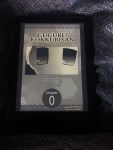
“Gugure! Kokkuri-san #000” By Midori Endō Review

Kokkuri—A form a divination created long ago during a time of mass hysteria, and a favorite hobby of a young girl and self-proclaimed human doll, Ichimatsu Kohina. One day, she successfully summons Kokkuri-san through the divination game, but to her annoyance, she finds the handsome fox spirit clingy and immature. Seeing how Kohina lives alone and eats instant ramen every day, Kokkuri-san vows to cook her healthy meals and raise her properly! Enjoy the comedic and fluffy tales of this stoic girl and the eccentric spirits that she encounters along the way.

This comic book attempts to blend humor and supernatural elements but ultimately struggles to deliver a cohesive and engaging narrative. While the premise of this comic book has the potential for quirky charm, the execution leaves much to be desired in both storytelling and character development.

The story in this comic book centers around Kohina, a young girl who inadvertently summons Kokkuri-san, a fox spirit, through a traditional Japanese game. The spirit, instead of haunting her, takes on a protective role, leading to a series of comedic and supernatural misadventures. This setup offers ample opportunity for humor and heartwarming moments, but the manga falls short of fully capitalizing on its potential.

The character development is one of the weaker aspects of this comic book. Kohina is portrayed as emotionally detached, which, while intentional, often renders her interactions flat and repetitive. Her dynamic with Kokkuri-san lacks depth, as the spirit’s overprotectiveness quickly becomes predictable and one-dimensional. Supporting characters, intended to add variety and humor, are similarly underdeveloped and fail to make a significant impact on the narrative.

The humor in this comic book often relies on repetitive gags and slapstick comedy, which can feel forced and lack originality. While some moments are amusing, they are overshadowed by a reliance on clichés and predictable jokes that do little to advance the story or develop the characters. The comedic timing occasionally misses the mark, leading to a disjointed reading experience

The artwork in this comic book, is a redeeming feature of this comic book. The illustrations are clean and expressive, capturing the whimsical nature of the story. The character designs are visually appealing, with distinctive features that reflect their personalities. The artwork in this comic book has the ability to convey emotion through facial expressions adds some charm to the otherwise lackluster narrative.

The dialogues in this comic book tends to be straightforward but lacks the wit and nuance that could elevate the character interactions. Conversations often feel superficial, serving more as vehicles for jokes than as meaningful exchanges. More layered dialogue could have added depth to the relationships and provided insight into the characters’ personalities and motivations.

Despite its shortcomings, this comic book does have moments that hint at untapped potential. The concept of a fox spirit navigating the human world alongside a quirky young girl offers a framework for creative storytelling. With more focus on character depth and innovative humor, future comic books in this series could improve upon the foundation laid in this initial issue.

I Give This Book 2 / 5

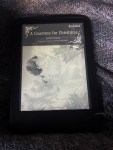
“A Countess for Christmas Vol. 1” By Jinko Soma & Christy McKellen Review

Emma takes a job as a maid at a high-class party to help pay off her late father’s debts. Once upon a time these parties had been her life. Caught up in the spell of nostalgia, Emma makes a disastrous mistake on the job. Her boss tries to take advantage of her vulnerability and forces himself on her.

This comic book attempts to deliver a heartwarming holiday romance but ultimately falls short. While the premise of this comic book premise holds potential for a charming and festive tale, the execution leaves much to be desired in both narrative depth and character development.

The story in this comic book follows a young woman who unexpectedly finds herself in the world of nobility during the holiday season. This setup promises a delightful mix of romance, culture clash, and festive cheer. However, the plot feels predictable and lacks the emotional depth needed to engage me personally fully. The narrative unfolds in a straightforward manner, with few surprises or twists to maintain interest.

The character development is limited in this comic book, which significantly impacts the story’s ability to resonate emotionally. The protagonist, while likable, is portrayed with minimal complexity. Her motivations and internal conflicts are not explored in depth, making it difficult for myself to connect with her on a meaningful level. Similarly, the supporting characters, including the countess, are not given enough dimension to make their interactions and relationships compelling.

The artwork in this comic book, while visually appealing, cannot entirely compensate for the narrative shortcomings. The illustrations are clean and expressive, capturing the elegance and charm of the aristocratic setting. The art style in this comic book suits the romantic genre well, with detailed character designs and picturesque scenes that reflect the festive atmosphere. However, even the artwork struggles to infuse life into the underdeveloped story.

The dialogues in this comic book are functional but lacks the wit and nuance that could elevate the characters and their interactions. Conversations feel overly simplistic and often serve merely to advance the plot rather than to reveal character insights or build tension. This simplicity in dialogue further contributes to the narrative’s predictability.

While this comic book aims to deliver a heartwarming romance, it struggles to find its footing due to its reliance on clichés and lack of originality. The story misses opportunities to explore themes of identity, belonging, and cultural differences, which could have added layers and interest to the plot.

I Give This Book 2 / 5
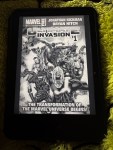
“Marvel Previews June 2023” By Various Review

Check out all the amazing new releases for June 2023!

This comic book offers a glimpse into the upcoming releases from Marvel Comics but struggles to deliver a cohesive or engaging overview. While the intent behind this comic book is to excite and inform readers about future storylines and releases, this comic book falls short in several key areas.

The previews in this comic book are meant to entice us as readers with teasers and artwork from various upcoming comics, yet the selection feels disjointed and lacks a compelling narrative thread. With a multitude of titles and genres crammed into a limited space, the preview suffers from a lack of focus. This scattershot approach can make it difficult for me personally to glean any meaningful insight into the stories being presented.

One of the main issues I had with this comic book is the pacing and organization of the content. The rapid-fire presentation of titles does not allow for any depth or meaningful engagement with the material. Each preview is given minimal space, resulting in a superficial overview that often fails to convey the essence of the story or its unique selling points. This can leave readers feeling overwhelmed and underwhelmed simultaneously, as they are bombarded with information without the context needed to make it compelling.

The artwork in this comic book, while showcasing a range of styles and talents, is often presented in a way that feels disconnected from the narrative. Without sufficient narrative context, even the most striking visuals can lose impact. The previews lack the cohesion that would allow the artwork to shine alongside well-crafted storytelling.

Another issue I had with this comic book was the lack of clear thematic or stylistic grouping. The previews jump erratically between different genres and tones, which can be jarring for readers trying to find titles that align with their interests. A more structured approach, perhaps grouping similar genres together or providing a thematic overview, could have made the content more accessible and engaging.

This comic book has some pretty intriguing titles and potential gems hidden within the pages, the presentation does little to highlight them effectively. The lack of standout features or spotlight sections means that many promising stories may be overlooked due to the sheer volume of content and lack of emphasis.

I Give This Book 2 / 5

“Rai, Volume 2: Battle for New Japan” By Matt Kindt & Clayton Crain Review

In the aftermath of the devastating battle for 41st-century Japan, Rai must pick up the pieces as he grapples with the startling truth about Father and his purpose. Will Rai remain a champion of the people or will he succumb to the same fate as the men who carried the mantle before him? And why is everyone looking at him so strangely?

This comic book presents a visually impressive continuation of the series but struggles with narrative depth. While the artwork captivates, the story falls short in delivering a cohesive and engaging experience.

This comic book is set in the technologically advanced yet dystopian world of New Japan. And this comic book follows Rai, the guardian of the nation, as he grapples with rebellion and existential dilemmas. Kindt’s ambition to explore themes of identity and control is evident, but the execution lacks clarity and focus. The plot meanders, making it difficult for me personally to become fully invested in Rai’s journey.

The character development is a notable weakness in this comic book. Rai, as the central figure, is not given enough depth or emotional complexity. His internal struggles and motivations are only superficially addressed, that have left me with a protagonist who feels detached and one-dimensional. The supporting characters, while intriguing, are similarly underdeveloped, serving more as plot devices than fully realized individuals.

The writing style in this comic book introduces a world filled with potential for rich storytelling but often leans heavily on exposition rather than allowing the narrative to unfold organically. The dialogue, while serviceable, lacks the emotional weight and nuance needed to elevate the stakes or deepen character connections. This reliance on telling rather than showing detracts from the overall impact of the story.

The artwork is a highlight of this comic book. The stunning visuals capture the futuristic and intricate landscape of New Japan with breathtaking detail. The use of color and texture creates a vivid and immersive atmosphere, enhancing the sci-fi elements of the narrative. Each panel is meticulously crafted, bringing the world to life with a dynamic and cinematic quality.

Despite its visual strengths, the pacing of this comic book is uneven. The story oscillates between action-packed sequences and slower, introspective moments, but the transitions often feel abrupt. This inconsistency disrupts the flow, making it challenging for me personally to maintain engagement or fully appreciate the narrative’s progression.

The thematic exploration in this comic book of control, rebellion, and identity is present but not deeply explored. While these themes are woven into the plot, they lack the depth and complexity needed to provoke meaningful reflection or resonance. A more thorough examination of these ideas could have added layers to the narrative, making it more compelling.

I Give This Book 2 / 5

“Rooming with a Gamer Gal #001” By Renjuro Kindaichi Review

Takumi Satsuki (Early 20s, Male – Female in-game) became friends with Goro-san (Male) on Dragon Quest X, and they decide to become roommates. When he goes to meet up with Goro-san though, who he finds standing there is someone who doesn’t resemble their character in game one bit—a gyaru…?! This unintentionally catfished couple has a lot in store for them in this fun romantic comedy!

This comic book introduces a premise with potential but ultimately falls short in execution. At the same time the story in this comic book aims to blend comedy and slice-of-life elements but struggles with depth and engagement.

The narrative in this comic book revolves around the unlikely pairing of the protagonist with a gamer girl, exploring the dynamics of their cohabitation. While the setup promises humor and relatable scenarios, the plot lacks direction and cohesion. The story often feels like a collection of loosely connected scenes rather than a unified narrative, making it challenging for me personally to become fully invested.

The character development is a significant weakness in this comic book. The protagonist and the gamer girl are introduced with minimal depth, and their personalities remain largely unexplored. Their interactions, while occasionally amusing, lack the emotional weight and complexity needed to create meaningful character arcs. This superficial treatment had left me wanting more substance and understanding of their motivations.

The writing style in this comic book introduces scenarios that could have been rich with comedic potential, but the humor often falls flat. The dialogues are serviceable but lacks the wit and charm necessary to elevate the comedic elements. Conversations serve more as exposition than genuine exchanges, which detracts from the potential for dynamic character interactions.

The artwork in this comic book is visually appealing, with expressive character designs and detailed backgrounds that capture the everyday setting. While the visuals add an element of charm, they cannot fully compensate for the narrative shortcomings. The artwork supports the story but does not enhance the overall impact due to the lack of narrative depth.

The pacing of this comic book is inconsistent, with scenes that either drag without adding value or rush through potentially significant moments. This inconsistency disrupts the flow of the story, making it difficult for me personality to maintain interest or fully grasp the plot’s progression.

Despite its weaknesses, the concept of exploring the dynamics between a non-gamer and a gamer holds potential for future development. With a stronger narrative structure and deeper exploration of character motivations, subsequent installments could better capture the humor and relatability inherent in the premise.

I Give This Book 2 / 5