
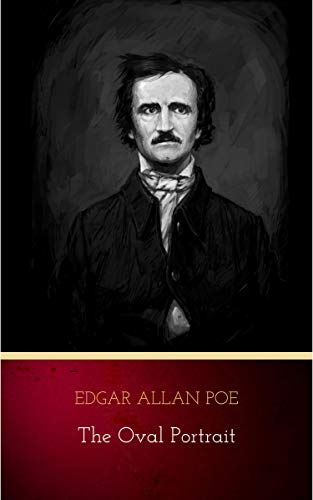
A wounded man finds shelter in an abandoned chateau in the Appenines and with his valet settles into a small apartment in a remote turret. The oddly shaped room is full of paintings, and on his pillow the man finds a small book that appears to tell their stories. One painting in particular, of a beautiful girl, holds him spellbound, and, consulting the history book, he learns the startling secret of the oval portrait’s extraordinary execution.
This table cannot be described with nothing more than a beautiful, gripping and fascinating read.
This tale definitely needs to get extra points for the symbolism which it has. The the thing where fascination turns into obsession. This tale reminds readers why they love reading.
The theme of this tale about artistic obsession is just amazing. And this tale for sure gives the reader a good creep no matter if you get scared of it or just the feeling thrill mixed with the feeling of something being out of place or wrong.
Yes this tale have only two pages, but the whole tale is more than this. This tale manages to pack so much more than just two pages. It will definitely leave you satisfying. However the ending of it feels take it comes too early together with being a little bit too obvious. It might leave some of you unsatisfied or give you the feeling that the ending leaves the whole tale losse its impact.
But definitely this table needs to get some points for the whole idea behind it. It’s a cool idea in the end no matter how it is interpreted.
However this tale may remind you of some scar Wilde’s work and “The Picture” by Dorian Gray.
The writing style itself is very on point here, its very moody. And of course the writing style is very gothic as in any other Edgar Allan Poe’s work. But that’s why people are reading Edgar Allan Poe’s work.
This whole story is a heart rending plot filled with love, death and neglect. But it is a sweet and fun way. Though it gives a decent creep, which much horror fans will appreciate.
I give this tale 5 / 5


 At midnight, the poem’s speaker hears a tapping on his door. When he opens the window, a raven flies in. … The speaker asks the raven if he’ll ever see his lost lover, Lenore, again, and the raven once again cries, “Nevermore.”


 The most fundamental questions about the origins of the universe and of life itself, once the province of philosophy, now occupy the territory where scientists, philosophers, and theologians meet—if only to disagree. In their new book, Stephen Hawking and Leonard Mlodinow present the most recent scientific thinking about the mysteries of the universe, in nontechnical language marked by both brilliance and simplicity. In The Grand Design they explain that according to quantum theory, the cosmos does not have just a single existence or history, but rather that every possible history of the universe exists simultaneously. When applied to the universe as a whole, this idea calls into question the very notion of cause and effect.
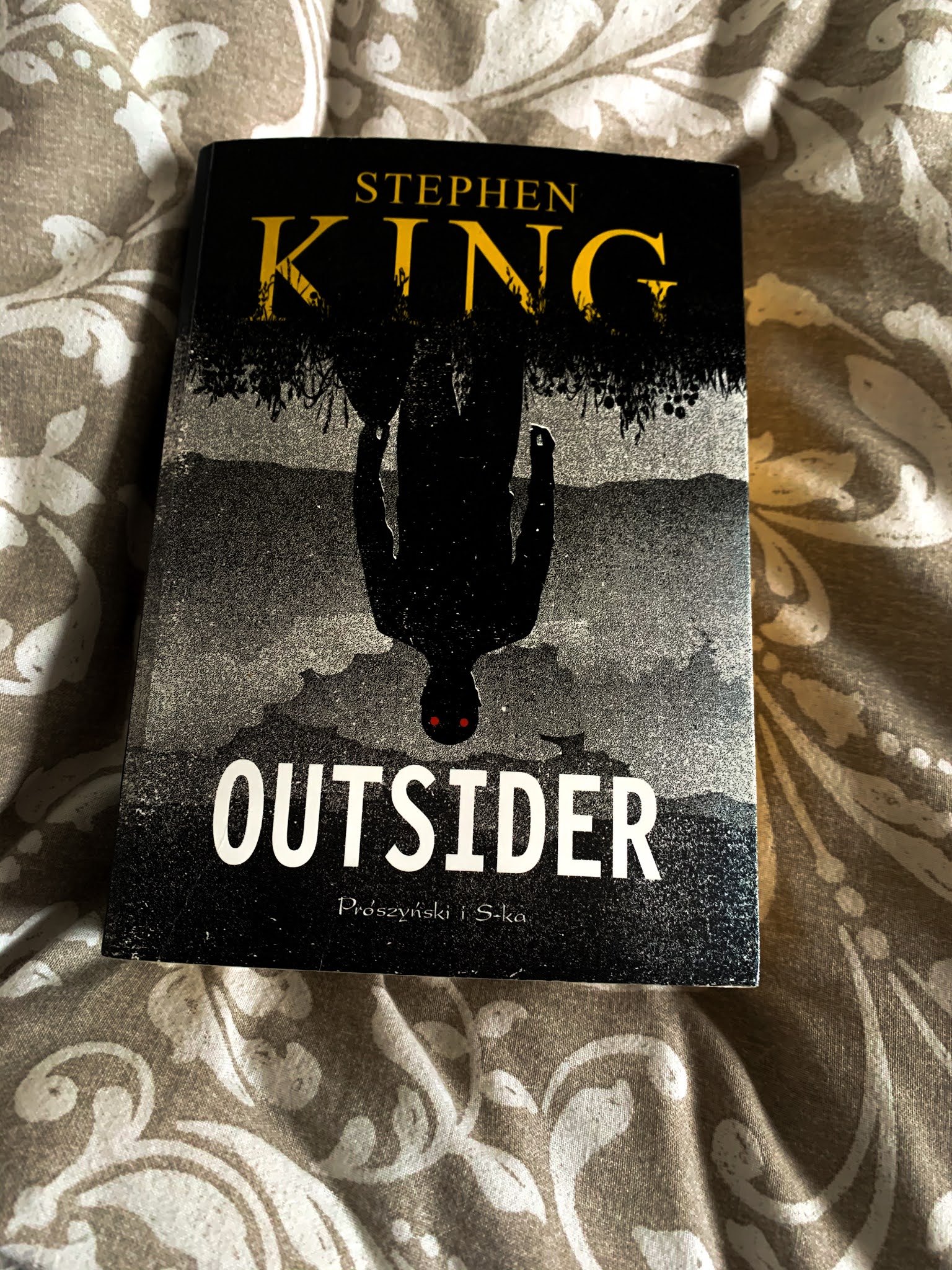 An unspeakable crime. A confounding investigation. At a time when the King brand has never been stronger, he has delivered one of his most unsettling and compulsively readable stories. An eleven-year-old boy’s violated corpse is found in a town park. Eyewitnesses and fingerprints point unmistakably to one of Flint City’s most popular citizens. He is Terry Maitland, Little League coach, English teacher, husband, and father of two girls. Detective Ralph Anderson, whose son Maitland once coached, orders a quick and very public arrest. Maitland has an alibi, but Anderson and the district attorney soon add DNA evidence to go with the fingerprints and witnesses. Their case seems ironclad.
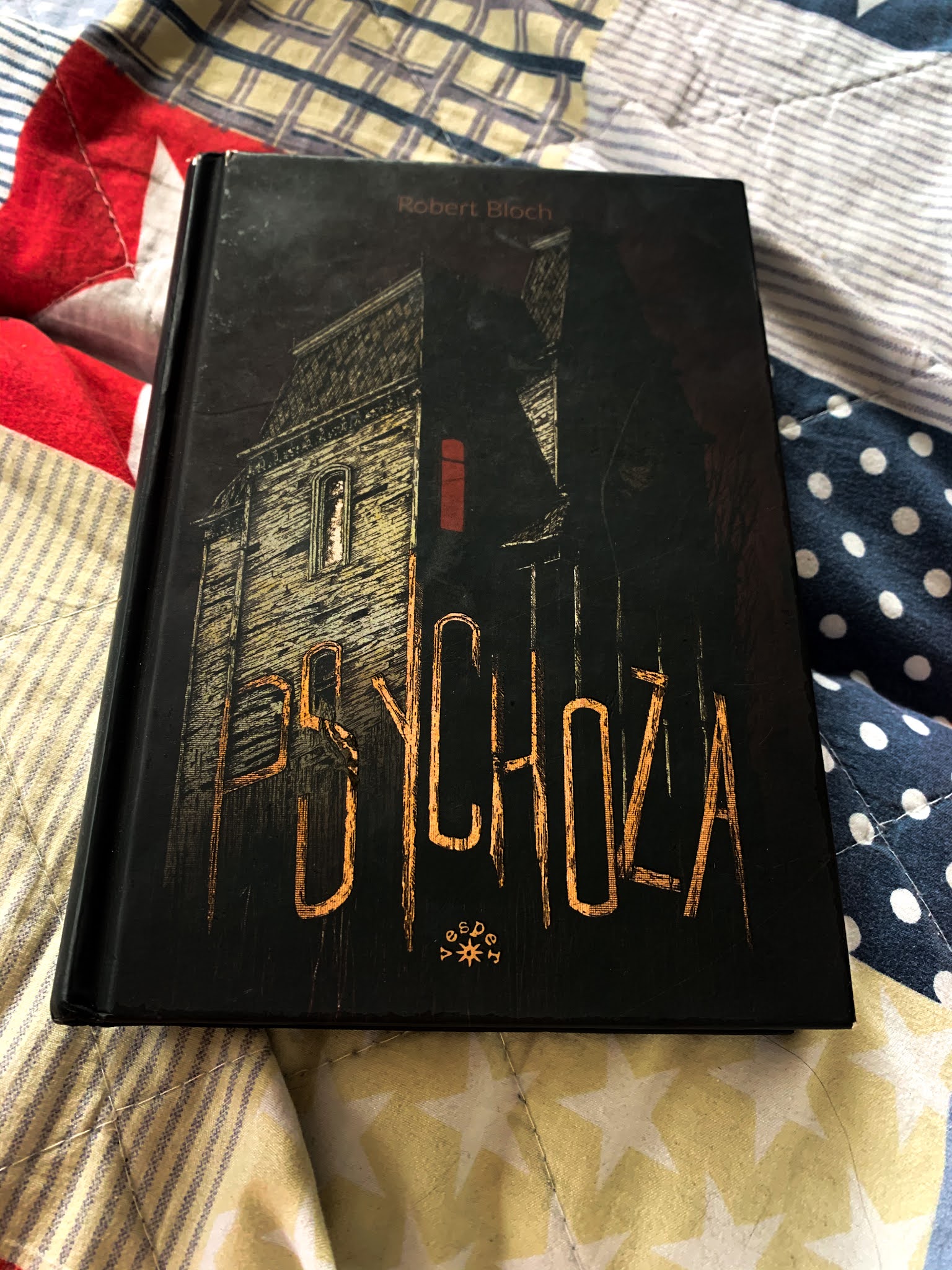 It was a dark and stormy night when Mary Crane glimpsed the unlit neon sign announcing the vacancy at the Bates motel. Exhausted, lost, and at the end of her rope, she was eager for a hot shower and a bed for the night. Her room was musty but clean and the plumbing worked. Norman Bates, the manager, seemed nice, if a little odd.
 The Book Corner Chronicles