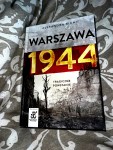
“Warsaw 1944: Hitler, Himmler, and the Warsaw Uprising” By Alexandra Richie Review

In 1943, the Nazis liquidated Warsaw’s Jewish ghetto. A year later, they threatened to complete the city’s destruction by deporting its remaining residents. A sophisticated and cosmopolitan community a thousand years old was facing its final days—and then opportunity struck. As Soviet soldiers turned back the Nazi invasion of Russia and began pressing west, the underground Polish Home Army decided to act. Taking advantage of German disarray and seeking to forestall the absorption of their country into the Soviet empire, they chose to liberate the city of Warsaw for themselves.

I need to admit here that this book has taken be solid 3 months to go through, just because and long and heavy it is. At the same time this book presents a comprehensive account of one of the most significant and tragic events of World War II. But it also offers an in-depth examination of the uprising, marked by meticulous research and vivid detail, though occasionally hindered by its dense narrative and complex structure. But as always I will explain everything in this review so if you are interested in hearing my thoughts about this book then continue reading this review.

This book book delves into the Warsaw Uprising of 1944, a heroic but ill-fated attempt by the Polish resistance to liberate their city from Nazi occupation. The author of this book paints a vivid picture of wartime Warsaw, capturing the despair and resilience of its citizens. The setting is brought to life through detailed descriptions, highlighting the stark contrast between the vibrant city and its eventual devastation.

The author of this book reconstructs the events leading up to the uprising, offering insights into the political dynamics and strategic decisions that shaped the resistance efforts. However, the extensive detail which this book gives have at times overwhelmed me personally, making it challenging to maintain a clear narrative thread.

Because of how much details and information we get dumped onto us in this book, made me feel at times that I was back to history lessons from high school. And I gotta admit that at that time I didn’t care about what the teacher was rapping about. 

The author’s exploration of the historical context is one of the book’s strengths. She provides a thorough analysis of the political landscape, examining the roles of key figures such as Hitler, Himmler, and the Polish resistance leaders. This context enriches my personally understanding of the complexities and motivations behind the uprising.

At the same time this book delves into the strategic miscalculations and missed opportunities that contributed to the uprising’s failure. The author’s analysis is insightful, though it occasionally delves into intricate detail that may be challenging for readers unfamiliar with the broader historical framework. While the depth of research is commendable, it might benefit from a more streamlined presentation.

The author of this book is able to life a wide array of historical figures, from resistance fighters to Nazi leaders, providing a multifaceted view of the conflict. Her portrayal of these individuals is nuanced, highlighting their motivations, fears, and ambitions. Which has surprised me fair share about this book, which made me give this book some extra points for doing.

The focus on personal stories adds a human dimension to the historical narrative, allowing us as readers to connect with the individuals who experienced the uprising firsthand. However, the sheer number of characters can make it difficult to keep track of their individual arcs, and at times I found myself wishing for a more focused character study.

This book also delves into the tragic consequences of war, highlighting the devastation wrought upon Warsaw and its inhabitants. This theme is reinforced through vivid descriptions of the city’s destruction and the resilience of its survivors. However, the thematic exploration occasionally gets lost amidst the extensive factual detail, diluting its emotional impact.

The writing we get in this book is detailed and authoritative, reflecting her extensive research and expertise. Her prose is rich with historical detail, though this can sometimes lead to a dense and challenging reading experience. The narrative occasionally lacks a consistent flow, with abrupt shifts between different aspects of the uprising.

The pacing of this book is uneven, with sections that delve deeply into specific events or figures, sometimes at the expense of the overall narrative progression. This made it difficult for me personally to maintain engagement, particularly because I was looking for a more cohesive storyline.

I Give This Book 3 / 5

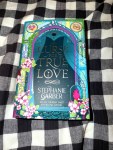
“A Curse for True Love” By Stephanie Garber Review

Evangeline Fox ventured to the Magnificent North in search of her happy ending, and it seems as if she has it. She’s married to a handsome prince and lives in a legendary castle. But Evangeline has no idea of the devastating price she’s paid for this fairytale. She doesn’t know what she has lost, and her husband is determined to make sure she never finds out. . . . but first he must kill Jacks, the Prince of Hearts.

This book is the 3rd and final book in the Once Upon a Broken Heart Series. And I need to admit here that this series has become one of my favorite book series I have read so far in my life, its safe to say that this series is easily in my top 5 favorite book series I have read so far in my life. Because this book is exciting conclusion to her enchanting series, delivers a mesmerizing tale of love, destiny, and magic. At the same time this book weaving a narrative that completely captivated me personally with its depth, emotion, and immersive world-building.

This story in this book picks up with Evangeline Fox facing the ultimate challenge: breaking a powerful curse that threatens her love and the fate of the entire realm. As she navigates a world filled with intrigue and danger, Evangeline must confront her deepest fears and make choices that will determine her destiny.

I gotta say that I was completely sucked into the story of this book just like I was in the first and second book. There was something about the story in this book which feels pretty realistic but also very very interesting, enjoyable and fun. I was kinda afraid to get into this book because I was afraid that this book wouldn’t be as good and amazing as the previous 2 books in this series. But I gotta admit here that this book was even better than the first book in this series. Because it is as chaotic and filled up with events like the first book was. Which means that we get to spend more time with the characters are really getting to know them better in this book.

The depiction of the Magnificent North is as vivid and enchanting as ever. The magical landscapes and intricate settings create a rich tapestry that immersed me personally in a world where every detail is infused with wonder. The blend of whimsy and peril enhances the story’s tension, making each moment feel consequential.

Evangeline Fox’s journey reaches its pinnacle in this final book of the series. Her evolution was very big from the first book to this last book in this series. Her evolution from a hopeful romantic to a determined and resilient heroine is beautifully portrayed. The author of this book skillfully explores Evangeline’s internal struggles and growth, making her a relatable and compelling character. Her determination to fight for love and justice resonates deeply, adding layers to her character.

When it comes to Jacks, the enigmatic Prince of Hearts, continues to be a complex and intriguing figure. His relationship with Evangeline is central to the narrative, filled with tension, mystery, and unexpected tenderness. The author of this book delves into Jacks’ character with nuance, revealing vulnerabilities and motivations that add depth to his persona.

The side characters in this book, including both familiar faces and new characters, enriches the narrative. Their interactions with Evangeline and Jacks add complexity and drive the plot forward, creating a dynamic and engaging story.

Evangeline’s journey highlights the power of choice and the struggle between following one’s heart and fulfilling destiny. The story emphasizes that true love involves sacrifice and understanding, challenging characters to confront their deepest fears and desires.

The writing in this book is very lyrical and evocative, capturing the magic and emotion of the story. Her prose is rich with vivid imagery and poetic descriptions that bring the world and characters to life. The dialogue is sharp and engaging, reflecting the personalities and complexities of the characters.

In a way the writing style in this book is very simple and easygoing which plays very well with the plot which is pretty simple and straightforward but also very well created. Which explains a lot about why I love this series as much as I do, because it shows that an author doesn’t need to have a very complex plot in a book or book series for it to be very good. Sometimes a simple but well explored and developed plot and has good relatable and likable characters is much better at least it is for me

The pacing in this book is expertly managed, balancing moments of intense action with quieter, introspective scenes. The plot twists are well-crafted and unpredictable, which has left me personally on the edge of my seat. The author of this book skillful narrative structure ensures that the story unfolds with perfect timing, maintaining tension and intrigue throughout.

The world-building in this book is exceptional, expanding on the magical universe introduced in previous books. The Magnificent North is a place of wonder and danger, filled with enchanted objects, mystical creatures, and hidden realms. The author of this book puts a. lot of attention to detail creates a fully realized world that feels both fantastical and real.

I Give This Book 5 / 5

“The Last Battle” By C.S. Lewis Review

The unicorn says that humans are brought to Narnia when Narnia is stirred and upset. And Narnia is in trouble now: A false Aslan roams the land. Narnia’s only hope is that Eustace and Jill, old friends to Narnia, will be able to find the true Aslan and restore peace to the land. Their task is a difficult one because, as the Centaur says, “The stars never lie, but Men and Beasts do.” Who is the real Aslan and who is the imposter?

This book is the 7th and final book in “The Chronicles of Narnia” series. And I gotta admit that it is one of the better books in this series because it presents a climactic and thought-provoking conclusion to the series which I wont be recommending to anyone because of how much I disliked it. At the same time this book is offering a narrative that is both ambitious and controversial, which has left me personally with mixed emotions about the series’ resolution. But as always I will explain everything in this review, if you are interested in hearing my thoughts about this book then keep reading this review.

The story in this book unfolds with a false Aslan appearing in Narnia, manipulated by the ape Shift and his unwitting accomplice, Puzzle the donkey. As confusion and chaos spread, King Tirian, the last king of Narnia, struggles to rally the Narnians against the impostor and the invading Calormenes. The Pevensie siblings and other familiar characters return to aid in the final stand.

The depiction of Narnia remains vivid, capturing the beauty and magic of the land even amidst its darkest hour. The setting serves as a poignant backdrop for the unfolding drama, highlighting the stakes and urgency of the battle for Narnia’s soul.

I gotta say that this final book has entirely too man characters in this book. Because we get all of the main characters from the previous books in this series squeezed into this short book which is roughly 290 pages long.

King Tirian emerges as a central character, embodying courage and integrity in the face of overwhelming odds. His leadership and unwavering faith are commendable, though his character development feels somewhat constrained by the rapid pace of events. While Tirian’s resolve is admirable, deeper exploration of his internal struggles would have added richness to his journey.

The return of familiar characters, including the Pevensie siblings, evokes nostalgia and provides continuity. However, their roles are limited, with less focus on their individual growth and more emphasis on their collective contribution to the battle. This lack of character depth can leave readers longing for more personal insights.

Shift and Puzzle serve as symbols of manipulation and innocence, respectively. While Shift’s cunning and deceit are clear, his motivations lack complexity. Puzzle’s naivety provides a counterbalance, though his arc remains underdeveloped.

At the same time this book explores themes of faith, deception, and redemption. The false Aslan serves as a powerful allegory for the dangers of false prophets and misplaced faith. The story underscores the importance of discernment and the courage to stand for truth, even when faced with deception.

The end of Narnia serves as a metaphor for the end of an era, exploring themes of renewal and the promise of a better world. The allegorical nature of this conclusion invites reflection on mortality and the hope of salvation, though its abruptness may leave readers feeling unsatisfied. I did appreciate the metaphor for the end of an era, because I really plan to exist the era of bad books for the rest of the year hopefully of course.

The writing itself in this book retains its descriptive and imaginative quality, vividly capturing the tension and emotion of Narnia’s final days. His use of language is evocative, painting a picture of a world on the brink of transformation.

However, the pacing of the narrative is uneven, with rapid shifts between events that can feel disorienting. The swift progression of the plot leaves little room for character introspection, affecting the overall emotional impact. This hurried pace may detract from the gravity of the story’s themes, which has left me personally with a sense of incompleteness.

I Give This Book 3 / 5

“The Magician’s Nephew” By C.S. Lewis Review

One cold, wet summer in London, Digory and Polly meet and become fast friends. Their lives take a sudden turn when Digory’s Uncle Andrew, who fancies himself a magician, sends them hurtling to… somewhere else. They arrive in Narnia, just as it is born from the song of the great Lion, Aslan. Along the way, they encounter the evil sorceress Jadis, whose dark magic threatens everything. After a whirlwind adventure, they finally find their way back home.

This book is the 6th book in the “The Chronicles of Narnia” series, and I gotta admit that it offers some fascinating glimpse into the origins of Narnia. In my opinion this book is the best book in the whole series  because it is providing an intriguing narrative that, while imaginative, occasionally falters in its pacing and character depth.

The story in this book Digory Kirke and Polly Plummer, two children living in London, who stumble upon a magical adventure when they encounter Digory’s uncle, the eccentric and morally ambiguous Uncle Andrew. Using magical rings, Uncle Andrew unwittingly sends the children on a journey to different worlds, including the dying land of Charn and the newly created Narnia.

And once again there is the problem of introduction new main characters into the series which I have comment on extensively in the previews review of the 5th book in this series.

But at the same time Digory Kirke and Polly Plummer are much better characters than the 2 main characters we got in the 5th book in this series, which is a less of an issue for me personally than in book 5. Because I actually liked the two main characters in this book unlike the two main characters in the 5th book

The depiction of these worlds is vivid and enchanting. The transition from the dreary streets of London to the vibrant creation of Narnia is particularly captivating, offering a rich contrast that highlights the wonders of the magical realm. However, the narrative sometimes feels rushed, with certain pivotal moments lacking the depth they deserve.

Digory Kirke serves as the primary protagonist, and his journey is central to the narrative. While his character arc involves themes of temptation, redemption, and growth, the exploration of his internal struggles is somewhat limited. His motivations are clear, but the emotional depth needed to fully engage readers is occasionally lacking.

Polly Plummer, as Digory’s loyal companion, provides balance and support. Her practicality and courage are evident, though her character could benefit from further development. Her relationship with Digory is heartwarming, yet their interactions often skim the surface of deeper emotional connections.

Uncle Andrew, with his misguided ambitions and questionable ethics, adds complexity to the story. His character provides a cautionary tale about the misuse of power, but his motivations and backstory are not fully explored, leaving him as more of a caricature than a fully fleshed-out character.

This book explores themes of creation, temptation, and the consequences of one’s actions. The story’s depiction of the birth of Narnia serves as a powerful allegory for creation and the inherent goodness of the natural world. However, these themes, while present, sometimes lack the nuance and depth seen in other books in the series.

The writing style itself in this book remains engaging and descriptive, capturing the wonder and magic of Narnia’s creation with lyrical prose. The author of this book has in a way the ability to convey the awe of new beginnings is evident in the vivid imagery and rich descriptions. I don’t know if it is a one time thing, or just that he didn’t care to do the same thing in the previous Narnia books but if he had done the same thing in the previous books I would have enjoyed the book series much more than I actually did.

However, the pacing of the narrative is uneven, with some sections feeling rushed and underdeveloped. Key events, such as the creation of Narnia, are beautifully depicted but could benefit from a more measured exploration of their significance.

The dialogue, while often charming, can feel stilted at times, missing opportunities for deeper character interactions. This lack of depth in conversations contributes to a sense of detachment from the characters’ emotional journeys.

I Give This Book 3 / 5

“The Horse and His Boy” C.S. Lewis Review

The Horse and his Boy is a stirring and dramatic fantasy story that finds a young boy named Shasta on the run from his homeland with the talking horse, Bree. When the pair discover a deadly plot by the Calormen people to conquer the land of Narnia, the race is on to warn the inhabitants of the impending danger and to rescue them all from certain death.

This book is the 5th book in the “The Chronicles of Narnia” series, and I gotta admit that it wasn’t as bad as the previous Narnia book I have reviewed, but it was still very far away from actually being a good book. This book offers a unique perspective by focusing on characters native to the world of Narnia rather than visitors from our world. It had a very uneven pacing and limited character development, which has left me personally feeling less engaged. But as always I will explain everything in this review. 

The story in this book follows Shasta, a young boy living in Calormen, who discovers he is not the son of the fisherman who raised him. When he overhears plans to sell him into slavery, Shasta decides to escape to Narnia with Bree, a talking horse. Along the way, they encounter Aravis, a young noblewoman fleeing an arranged marriage, and her talking horse, Hwin. Together, they embark on a journey to the freedom of Narnia, facing numerous challenges and uncovering a plot against the Narnian kingdom.

The main issue I have with this series is that it constantly brings in new main characters which doesn’t allow me to actually connect with the series through a steady and stable main character which doesn’t change from book to book in this series. The books in this series are also very short, roughly 250 pages or so depending on the book which means that we don’t get to spend a lot of time with the characters in this series, and bringing constantly new main characters to the series with each book makes it only harder for me to connect with the characters in this series. Which is the main reason why I dislike this series (and this book) so much as I do.

The depiction of the lands beyond Narnia (Calormen and Archenland) is richly detailed, introducing new cultures and landscapes. However, the narrative sometimes lingers too long on travel, detracting from the story’s momentum and sense of adventure.

Shasta, the central character, has a classic hero’s journey, but his development feels very shallow. While he learns about courage and identity, his internal struggles are not deeply explored, making it difficult for me personally to connect with his transformation.

Aravis, on the other hand, offers a glimpse into the Calormene culture and has a backstory that adds depth to her character. However, her development is also limited, and her growth feels rushed. The narrative misses opportunities to delve into her motivations and the impact of her past experiences.

Bree and Hwin, the talking horses, add charm and humor to the story. Their personalities provide contrast to their human companions, yet their arcs are similarly underdeveloped. Bree’s journey from arrogance to humility is an interesting subplot but lacks the depth needed to be truly compelling.

But I gotta admit here that I was not a fan of any of the characters we get in this book. Because as I’ve said above this book is very short and there are simple too many characters for such a short book which means we don’t get to know the characters on any level whatsoever. Which made me feel like they are very shallow and their personalities are none existent.

The writing style itself in this book retains its descriptive quality, vividly illustrating the diverse landscapes and cultures encountered on the journey. However, the pacing of the narrative is uneven, with prolonged travel sequences that slow down the plot. This lack of momentum can make it challenging for me personally to stay engaged in the book or even like it enough to give it a good rating and a good review.

Dialogues in this book often feels stilted, missing opportunities for deeper emotional connections between characters. This lack of depth in interactions contributes to a sense of detachment from the narrative.

I Give This Book 2 / 5

“The Silver Chair” By C.S. Lewis Review

Eustace and Jill escape from the bullies at school through a strange door in the wall, which, for once, is unlocked. It leads to the open moor…or does it? Once again Aslan has a task for the children, and Narnia needs them. Through dangers untold and caverns deep and dark, they pursue the quest that brings them face to face with the evil Witch. She must be defeated if Prince Rillian is to be saved.

This book is the 6th book in the “The Chronicles of Narnia” series and I gotta admit that I still haven’t come around to actually liking this series, in reality the farther I get into this series the more I dislike it because no matter how hard I try to get into this series I just cant achieve that. The real issue I had with this book is that it has sluggish pacing and underwhelming character development, which has left me disconnected from the magic of Narnia. But as always I will explain everything in this review, so if you are interested then keep reading this review my dear reader.

The story in this book introduces Eustace Scrubb and his schoolmate Jill Pole, who are summoned to Narnia by Aslan to find Prince Rilian, the son of King Caspian, who has been missing for years. Guided by a series of signs provided by Aslan, they embark on a journey through the treacherous lands of Narnia and beyond, accompanied by the melancholic Marsh-wiggle, Puddleglum.

The plot really pissed me off in this book, because when I was starting to enjoy and get invested in the Pevensie siblings, they are removed from this book and are replaced by Eustace Scrubb who I don’t give a shit about and a completely new character Jill Pole which I also couldn’t bring myself to care about. Which made this book a very long read for me personally even thou this book is 250 pages long. 

While the narrative in this book promises adventure and intrigue, the execution of it falls completely flat for me personally. The plot unfolds at a sluggish pace, with lengthy sections of travel and minimal action. The episodic nature of the quest lacks cohesion, leading to a disjointed experience that fails to engage me personally or even make me interested in this book as I was reading it.

Eustace, previously introduced in “The Voyage of the Dawn Treader,” returns as a more mature and likable character. However, his development in this book is limited, with little exploration of his growth or internal struggles. His transformation from his earlier adventures is acknowledged but not deeply examined. He does have some likable moments throughout this book, but for the most part he was very annoying and frustrating for me personally. Because he had almost no personality to him and he was super flat and shallow as a character.

Jill Pole, introduced as a new protagonist, initially shows promise as a strong-willed and determined character. Yet, her development feels superficial, with her challenges and growth underexplored. The narrative misses opportunities to delve into her backstory and motivations, leaving her character feeling somewhat one-dimensional.

Puddleglum, the Marsh-wiggle, provides comic relief and wisdom, but his character is often overshadowed by the story’s slow pacing. While his cautious nature adds depth to the group dynamic, his potential as a mentor figure is not fully realized. To be very honest here, he was my favorite character in this entire book even thou he still was a pretty bad character in my opinion. 

The writing itself in this book retains its descriptive quality, capturing the eerie and mysterious landscapes of Narnia’s northern territories. However, the pacing is uneven, with long stretches of dialogue and internal monologue that slow down the plot. This lack of momentum makes it difficult for me personally to remain engaged, and the episodic structure contributes to a sense of detachment.

The interactions between characters often feel stilted, missing opportunities for deeper emotional connections. This lack of depth in character relationships contributes to the overall sense of disconnection from the narrative.

I Give This Book 1 / 5

“The Voyage of the Dawn Treader” By C.S. Lewis Review

The Dawn Treader is the first ship Narnia has seen in centuries. King Caspian has built it for his voyage to find the seven lords, good men whom his evil uncle Miraz banished when he usurped the throne. The journey takes Edmund, Lucy, and their cousin Eustace to the Eastern Islands, beyond the Silver Sea, toward Aslan’s country at the End of the World.

This book is the 5th book in the “The Chronicles of Narnia” series. And I gotta admit that this book (and this whole series) is a big letdown for me personally. The reason why I have read this whole series is because I heard a lot of good things about this series and now that I’m working my way through this series I gotta say that it doesn’t live up to my expectations. But as always I will explain everything in this review. 

The story in this book follows Edmund and Lucy Pevensie, along with their cousin Eustace Scrubb, as they find themselves aboard the Dawn Treader, a Narnian ship captained by King Caspian. The voyage takes them to mysterious islands and uncharted waters, each with its own challenges and magical elements. The goal is to find the seven lost lords of Narnia and ultimately reach Aslan’s Country.

While the concept in this book of a sea voyage offers potential for exploration and wonder, the execution falls short. The episodic nature of the plot makes the narrative feel fragmented, with each island presenting a standalone adventure that lacks cohesion. This structure prevents a smooth flow and diminishes the overall impact of the journey.

The plot in this book is very weak and shallow leveled. There is no real depth to it other than the author telling a story which he didn’t bother to develop anymore than to tell it to cash in on the paycheck.

Edmund and Lucy, familiar faces from previous books, return as central characters. However, their development feels stagnant, offering little in terms of new insights or growth. Lucy’s courage and Edmund’s wisdom are present but not expanded upon, leaving their characters feeling static.

Eustace Scrubb, introduced as a new character, has potential for an interesting arc. Initially portrayed as disagreeable and selfish, his transformation after an encounter with a dragon holds promise. Yet, the change feels abrupt and lacks the depth needed to make it truly compelling. His redemption is a pivotal moment, but it doesn’t receive the exploration it deserves.

Caspian, now king, is present but overshadowed by the episodic adventures. His leadership and character growth are underexplored, leaving him as a background figure rather than a driving force in the narrative.

Even Aslan makes an appearance in this book, and in a way his appearances serve as a reminder of faith and guidance, yet his role feels more like an aside rather than integral to the characters’ journeys. The symbolism of the journey to Aslan’s Country as a quest for spiritual enlightenment is underdeveloped, which has left me personally craving a more profound exploration.

The writing style itself in this book retains its descriptive quality, painting vivid images of the fantastical islands and creatures encountered on the voyage. However, the pacing is uneven, with some sections dragging while others rush through potentially significant moments. The episodic nature contributes to a lack of tension and continuity, making it difficult for me personally to remain engaged or find it interesting.

The dialogues and interactions in this book between characters often feel superficial, missing opportunities for deeper emotional connections. This lack of depth in character interactions contributes to a sense of detachment from the narrative.

I Give This Book 1 / 5

“Prince Caspian” By C.S. Lewis Review

A prince denied his rightful throne gathers an army in a desperate attempt to rid his land of a false king. But in the end, it is a battle of honor between two men alone that will decide the fate of an entire world.

This book is the 4th book in the “The Chronicles of Narnia” series. This book continues to explore themes of courage and faith which is pretty important topic in the magical land of Narnia. But I gotta admit here that maybe this series isn’t for me personally since I really cant get into the plot of this series or even how Narnia works. But as always I will explain everything in this review, so if you are interested in hearing my thoughts about this book, then by all means keep reading this review, my dear reader.

This book begins with the Pevensie siblings (which of course are Peter, Susan, Edmund, and Lucy) who unexpectedly returning to Narnia, only to find that centuries have passed and the once-vibrant land is now under the oppressive rule of the Telmarines. The rightful heir, Prince Caspian, is in hiding, gathering an army to reclaim his throne and restore Narnia to its former glory.

I personally had a really hard time getting into the plot of this book or even remembering it. Because the moment I finished reading this book my brain have immediately erased my memory of the plot of this book. Thats because nothing really happens in this book, the whole book is just talking about the Pevensie siblings returning to Narnia and going back to the real world after some time. All the action which takes place in this book is in a form of short flashbacks.

The depiction of Narnia remains enchanting, with lush landscapes and mythical creatures. However, the setting feels somewhat underutilized in this book. The grandeur of Narnia is overshadowed by the focus on battles and strategy, which may detract from the magical atmosphere that defines the series. 

The Pevensie siblings return in this book as again central characters, but their development feels limited in this book. While their courage and leadership are evident, their personal growth is not as deeply explored as in earlier books in this series. The narrative often relies on their established traits, missing opportunities to delve into their evolving dynamics and individual challenges.

Prince Caspian, the titular character in this book, is introduced as a young leader with a noble heart. However, his character development feels rushed, and his journey lacks the depth needed to engage me personally fully. His transformation from a hesitant prince to a determined leader is outlined but not deeply explored, leaving his character somewhat underdeveloped.

When it comes to Reepicheep, the valiant mouse, stands out as a highlight, adding charm and humor to the story. His bravery and loyalty provide memorable moments, though they are not enough to carry the entire narrative.

In my opinion the Pevensie siblings and Prince Caspian feel very shallow, because the small amount of personalities they got to them in this book almost never shines through which gave me pretty hard time liking the characters or carrying about them in this book. Because they all seemed like the same character to me in this book.

The writing itself in this book retains its lyrical quality, capturing the essence of Narnia’s enchantment. The author uses the writing style to paint a vivid and evocative, painting a picture of a world filled with wonder. However, the pacing of the narrative is uneven, with long stretches of exposition and dialogue that slow down the plot. Which made it harder for me personally to actually have some kind of interested in this book. 

The story’s structure, with its focus on battles and strategy, may feel repetitive and drawn out. This can detract from the overall engagement, which has left me personally eager for more dynamic and varied storytelling.

I Give This Book 2 / 5

“How to Fight a Dragon’s Fury” By Cressida Cowell Review

Book 12 is the epic finale to the “New York Times” bestselling How to Train Your Dragon series! The Doomsday of Yule has arrived, and the future of dragonkind lies in the hands of one boy with nothing to show, but everything to fight for. Hiccup’s quest is clear… But can he end the rebellion? Can he prove himself to be king? Can he save the dragons? The stakes have never been higher, as the very fate of the Viking world hangs in the balance!

This book is the 12th and last book in the “How to Train Your Dragon” series. And I need to admit that I could have not been happier about finishing this series. Because I have binge read the whole series and I gotta admit that the last part of this series gave me pretty mixed feelings because of how receptive and predictable it had become. 

The story in this book  begins with the Archipelago in chaos. The dragons are on the brink of extinction, and the tribes are at war. Hiccup faces his greatest challenge yet: uniting humans and dragons to stop the Dragon Furious and save both species from annihilation. The stakes are higher than ever, promising an epic showdown that will determine the fate of the world.

The plot in this book is enjoyable, but it is very predictable and repetitive, because it follows the same patterns and structure as all the other books in this series which I have already mentioned this issue with the later books in this series. All of the books in this series have the specific structure of 1) something good happens 2) something bad happens 3) something worse happens 4) at the very end Hiccup and Toothless are able to “miraculously” save the day. Which of course also happens in this book, which in my opinion makes this book (and all the other books in this series) feel very repetitive and predictable. Which have taken a lot of fun and enjoyment out of this book (and the whole series) for me personally. The main reason why I have read this whole series is because I had bought the whole book series at once before I started reading this series, so I wanted to give this whole series a fair chance because I already had it on my TBR physical bookshelf.

The depiction of the Viking world is as vivid and immersive as ever. The landscapes are richly detailed, from the stormy seas to the dragon-infested skies. This setting provides a dynamic backdrop for the story’s climactic events, highlighting the scale and urgency of the conflict. I need to be honest here that the best thing about this book (and the other books in this series) for me personally was the Viking world in this series which made this books series more fun and interesting for me personally.

Hiccup’s growth throughout this whole series culminates in this final of this series. His evolution from an underestimated boy to a wise and courageous leader is portrayed with depth and authenticity. The author is able to captures Hiccup’s internal conflicts and his determination to forge a new path for humans and dragons alike. His journey emphasizes themes of leadership, sacrifice, and the power of belief.

When it comes to Toothless, Hiccup’s steadfast dragon companion, remains central to the narrative. Their bond is explored with emotional richness, underscoring themes of friendship, loyalty, and trust. Toothless’s role in the story highlights the enduring connection between humans and dragons, emphasizing the importance of unity and cooperation.

The side characters in this book, including Fishlegs, Camicazi, and Stoick the Vast, contribute to the story’s depth and emotional impact. Each character is well-developed, adding complexity to the narrative and enhancing the series’ exploration of themes such as bravery and camaraderie.

This book have also resolved a question I personally had about Fishlegs. The whole series makes a big point that Fishlegs doesn’t know his parents and that he is the only character in this series who doesn’t have a family. And this book finally gives us the answer about who Fishlegs’s parents are and why they have abandoned him. Which made me give this book some extra points for doing.

This book delves into themes of unity, redemption, and the struggle for peace. Hiccup’s quest to unite humans and dragons symbolizes the pursuit of harmony and understanding in a world divided by conflict. The story emphasizes the idea that true strength lies in empathy and collaboration, challenging characters to overcome prejudice and fear.

The conflict with the Dragon Furious serves as a metaphor for the dangers of hatred and vengeance. The author of this book uses the theme in a way to explore the transformative power of forgiveness and the potential for change, encouraging us as readers to reflect on the importance of reconciliation and hope.

I gotta admit that the themes are a bit different from the other themes which the previous books had. Which I really appreciated because those different themes made this book standout from the rest of the books in this series.

The writing we get in this book is pretty engaging and evocative, capturing the adventurous spirit of the series while incorporating moments of introspection and emotion. Her witty dialogue and vibrant narrative voice bring the characters and their world to life, making each interaction memorable.

The pacing in this book is well-balanced, combining high-stakes action with quieter, character-driven moments. The plot twists are well-crafted and unexpected, maintaining tension and intrigue throughout the story. In a way the author of this book has the ability to blend humor with drama adds a dynamic layer to the narrative, making it both entertaining and thought-provoking.

I Give This Book 4 / 5

“How to Betray a Dragon’s Hero” By Cressida Cowell Review

High up in the Treacherous mists of the Murderous Mountains, Hiccup and the Company of the Dragonmark are in hiding. The witch’s Vampire Spydragons are guarding the shores of Tomorrow — but Hiccup is determined to become King of the Wilderwest. Can Hiccup dodge the dragons and steal back the King’s Things from Alvin before the Doomsday of Yule? And is there a traitor in Hiccup’s camp who, in the end, will betray them all?

This book is the 11th book in the “How to Train Your Dragon” series. This book delivers an exhilarating tale filled with action, emotion, and powerful themes. This review will be pretty similar to the review of the previous 10 books in this series because all of the books in this series are very similar to each other and I want to give you a very direct review so I will probably say the same things in this review as I have said in the reviews of the previous books in this series.

The story in this book picks up with Hiccup Horrendous Haddock III facing the greatest challenge of his life. Alvin the Treacherous is on the brink of conquering the Archipelago, and Hiccup must rally his allies and find the Dragon Jewel to prevent catastrophe. As tensions rise, Hiccup navigates a world rife with danger and betrayal.

The depiction of the Viking world is as vivid as ever, with the Archipelago teetering on the edge of chaos. The tension is palpable, and the stakes are higher than ever, creating a gripping backdrop for Hiccup’s quest. The setting is richly textured, bringing the story to life with its detailed landscapes and intense atmosphere.

Hiccup continues to grow as a leader and hero. His journey in this book highlights his courage, intelligence, and unwavering resolve. The author of this book skillfully portrays Hiccup’s internal struggles, emphasizing his moral complexity and the weight of leadership. His determination to protect his people and dragons showcases his growth and maturity.

When it comes to Toothless, Hiccup’s loyal dragon companion, remains central to the narrative. Their bond is explored with deep emotional resonance, emphasizing themes of friendship, trust, and sacrifice. Toothless’s unwavering support and bravery underscore the enduring connection between humans and dragons.

The side characters in this book, including Fishlegs, Camicazi, and Stoick the Vast, adds depth to the story. Each character is well-drawn, contributing to the narrative’s richness and emotional impact. The dynamics between these characters enhance the story’s complexity and drive its emotional core.

This book delves into themes of loyalty, sacrifice, and the struggle for justice. Hiccup’s quest for the Dragon Jewel symbolizes the pursuit of peace and the power of hope in the face of adversity. The story emphasizes the importance of standing by one’s values and the courage to make difficult choices.

As always the themes which this book explores are the same as in the previous books in this series. Which again are very over explored at this point in this series. Which for me personally makes it a very boring read because this series repeats the same themes over and over again in each book. 

The theme of betrayal in this book is intricately woven into the narrative, challenging characters to confront their deepest fears and desires. The author of this book uses this theme to explore the complexities of trust and the impact of betrayal on relationships and communities.

The writing style itself in this book is both engaging and emotive, capturing the adventurous spirit of the series while incorporating moments of introspection and emotion. Her witty dialogue and vibrant narrative voice bring the characters to life, making each interaction memorable.

The pacing of this book is expertly managed, balancing high-stakes action with quieter, character-driven moments. The plot twists are well-crafted and unexpected, which has kept me personally on the edge of my seat. In a way the author of this book has the ability to blend humor with tension adds a dynamic layer to the narrative, making it both entertaining and thought-provoking.

The world building aspect of this book is exceptional, expanding the Viking universe with new locations and challenges. The Archipelago, under the threat of Alvin’s reign, is richly detailed, adding depth and intrigue to the story. The author’s imaginative descriptions and attention to detail create a vivid and immersive setting that had drawn me personally into Hiccup’s world.

I Give This Book 5 / 5