
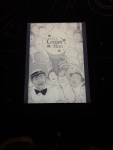
ICE CREAM MAN is a genre-defying comic book series featuring disparate “one-shot” tales of sorrow, wonder, and redemption. Each installment features its own cast of strange characters, dealing with their own special sundae of suffering. And on the periphery of all of them, like the twinkly music of his colorful truck, is the Ice Cream Man—a weaver of stories, a purveyor of sweet treats. Friend. Foe. God. Demon. The man who, with a snap of his fingers—lickety split!—can change the course of your life forever.
This comic book presents a unique approach to horror and anthology storytelling but ultimately falls short. While the concept behind this comic book holds potential, the execution struggles with cohesion and depth, which has left me personally with a less than satisfying experience.
This comic book introduces us as readers to a seemingly idyllic town with a sinister undercurrent, as the mysterious Ice Cream Man weaves through various lives, bringing chaos and dread. The creators of this comic book creates a narrative that aims to blend unsettling horror with introspective character moments, but the connection between the stories feels weak and disjointed. This lack of cohesion makes it difficult for me personally to fully engage with the overarching theme or find a central narrative thread to follow.
The character development in this comic book is very minimal, with the anthology format providing only brief glimpses into the lives of the individuals affected by the Ice Cream Man. This approach limits the emotional impact, as I personally weren’t given enough time to connect with or care about the characters’ fates. The intriguing premise of a central figure linking these tales of terror is undercut by a lack of exploration into the Ice Cream Man’s motives or backstory.
The artwork itself in this comic book is one of this comic book’s strengths, capturing the eerie and surreal aspects of the story with detailed and expressive illustrations. The art style we get in this comic book effectively conveys the contrast between the mundane and the macabre, adding visual intrigue to the narrative. However, while the visuals enhance the atmosphere, they cannot fully compensate for the narrative’s lack of depth and cohesion.
The pacing of this comic book is pretty uneven, with scenes that either drag without building tension or rush through potentially engaging moments. This inconsistency affects the overall flow, preventing the narrative from developing momentum or emotional resonance. Key plot points are introduced abruptly, which has left me personally without a clear understanding of the stakes or significance of the events unfolding.
Despite its shortcomings, the concept of exploring horror through an anthology format holds potential for future development. With more focused storytelling and deeper character exploration, subsequent comic books could better capitalize on the intriguing premise and deliver more satisfying narrative arcs.
I Give This Book 2 / 5

