
 A Doll’s House portrays the disintegration of the marriage between Nora and Torvald Helmer in the wake of a major revelation. Nora, a seemingly frivolous housewife, has secretly been working to pay off a loan she took out illegally in order to save Torvald’s life.
This book is sort of a three-act play written by Norwegian author named Henrik Ibsen. This book shows a landmark in the development of truly independent female heroines, rejecting the patriarchy they were socialised to accept unconditionally.
This play or what else you want to call it shows some very incredible and realistic characters. The main character Nora have some huge transformation as the play goes on. She went from never making decisions over herself or anything to began to take the action for herself and decide over herself. That’s who a real character development should be like.
The end in this play may be controversial for some people, because of the action and decisions which Nora takes.
We have very few characters in this book. And again we go back to the “quality over quantity” rule.
Writing style is old timely and fun to read. It defiantly sets the mood in this book and makes it even more fun to read. Descriptions are good too.
The language as you may think is very old, but it also sets the mood even more than the writing.
Dialogs, when we look at the dialogs now, almost 150 years later, were pretty good. There were some dialogs which made cringe but for the most part you could survive them.
I give this book 4 / 5


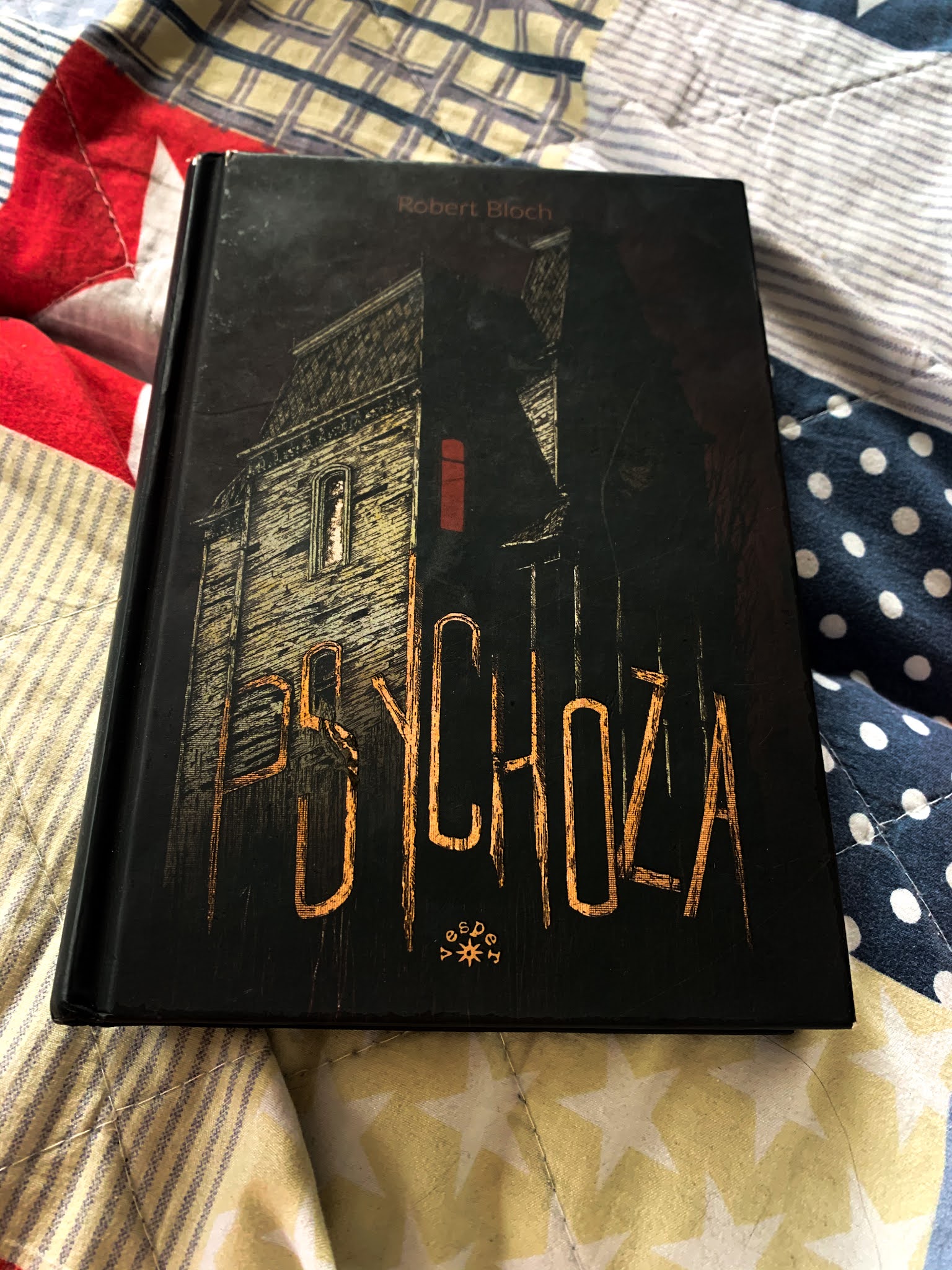 It was a dark and stormy night when Mary Crane glimpsed the unlit neon sign announcing the vacancy at the Bates motel. Exhausted, lost, and at the end of her rope, she was eager for a hot shower and a bed for the night. Her room was musty but clean and the plumbing worked. Norman Bates, the manager, seemed nice, if a little odd.
 The Book Corner Chronicles