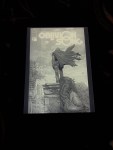
“Must Read Valiant: Greatest Hits #1: Introduction” By Various Review

Introduction for Must Read Greatest Hits #1! Never tried a Valiant comic?! Start reading here – with more than 100 pages of Valiant Comics greatness for just $5.99! Find out why VALIANT is the MUST READ superhero publisher in comics today with a greatest hits collection of can’t-miss moments from across the Valiant Universe! Re-presenting X-O MANOWAR #5, QUANTUM AND WOODY #1, HARBINGER #1, HARBINGER WARS #2, and SHADOWMAN #0, MUST READ GREATEST HITS #1 is the perfect place to find out why IGN is “Nobody is making superhero books like this, which is exactly why you should be paying attention to Valiant Comics.”

This comic book attempts to showcase the best of Valiant Comics, but unfortunately, it falls short of delivering a compelling collection. This comic book is designed to introduce new readers to Valiant’s universe, featuring a selection of stories from various creators. However, the execution lacks the cohesion and depth that would make it truly captivating.

The concept of this comic book is promising. With a rich history of unique characters and storylines, the potential for an engaging introduction is high. However, the selection of stories in this issue feels disjointed and somewhat random, failing to provide a coherent narrative thread or thematic connection. This lack of cohesion makes it difficult for readers to become fully immersed in the Valiant universe.

Each story in this comic book is intended to highlight a different aspect of Valiant’s offerings, from superhero exploits to science fiction adventures. While this variety showcases the range of Valiant’s storytelling, it also contributes to a fragmented reading experience. The transitions between stories are abrupt, which have left me personally with little time to engage with the characters or plotlines before moving on to the next piece.

The character development is another area where this comic book. The brief nature of each story limits the opportunity for meaningful character exploration. As a result, the characters often come across as one-dimensional, lacking the depth and complexity that would make them memorable or relatable. For new readers, this can be particularly challenging, as the anthology does not provide the rich context needed to fully appreciate the characters’ journeys.

The artwork throughout this comic book varies in style and quality, reflecting the diverse range of creators involved. Some illustrations capture the dynamic energy and visual appeal typical of Valiant’s comics, while others feel less polished and more generic. This inconsistency in the artwork further contributes to the anthology’s lack of cohesion.

While this comic book aims to serve as an introduction to Valiant’s universe, it falls short in providing the context and background necessary for new readers. The stories are presented without much explanation or framing, leaving those unfamiliar with Valiant’s history potentially confused or disengaged. More editorial guidance or commentary could have enhanced the anthology, offering insights into the significance of each story within the larger Valiant canon.

I Give This Book 2 / 5

“The Maid at my House #1” By Mihoko Kojima Review

Runako is studying hard to someday succeed as owner of her family’s maid dispatching service company. One day, a request comes in from an entertainment production company and shockingly, it’s for their super-popular star, Seirei Moroboshi! But could it be that the image he projects on the TV is far different than his true secret face…?!

This comic book introduces an intriguing domestic setup but ultimately falls short. Despite a promising premise of this comic book, this comic book struggles with character development and narrative depth, resulting in an underwhelming experience.

The story in this comic book follows the arrival of a mysterious maid in a household, setting the stage for potential drama and intrigue. While the setup hints at interesting dynamics and secrets, the narrative lacks cohesion and clarity. The plot feels fragmented, with scenes that transition abruptly, making it difficult for me personally to become fully invested in the storyline or the characters’ motivations.

The character development in this comic book is very minimal, with both the maid and the family members appearing one-dimensional. The protagonist’s motivations and backstory are not sufficiently explored, which has left me personally without a clear understanding of their personality or goals. This lack of depth makes it challenging to connect with the characters on an emotional level, reducing the impact of the story.

The artwork itself in this comic book, while visually appealing, cannot fully compensate for the narrative shortcomings. The illustrations capture the nuances of the domestic setting with clean lines and expressive character designs. However, the art alone isn’t enough to elevate the story, as the lack of strong storytelling and character work undermines the overall impact.

The pacing of this comic book is pretty uneven, with scenes that either linger without purpose or rush through potentially engaging moments. This inconsistency affects the overall flow, preventing the narrative from building momentum or emotional resonance. Key plot points are introduced abruptly, which has left me personally without a clear understanding of the stakes or significance of the events unfolding.

Despite its shortcomings, the concept of exploring domestic dynamics and hidden motives holds potential for future development. With more focused storytelling and robust character exploration, subsequent chapters could delve deeper into the intricacies of the household and offer more satisfying narrative arcs.

I Give This Book 2 / 5

“The Magnificent Grand Scene #1” By Cuvie Review

Kanade, a girl gifted with an observing eye and an ability to get things done. This is the story about her journey discovering the beauty of classical ballet and the joy of dancing. From the popular author that brought us Vanitas, comes a romantic story that makes the beauty of classical ballet come alive.

This comic book introduces an intriguing premise but ultimately falls short. At the same time this comic book tries to blend drama and artistry but struggles with character development and narrative cohesion, leading to a somewhat unsatisfying experience.

The story in this comic book centers on a protagonist who is drawn into the world of ballet. While the setting provides ample opportunity for exploring themes of passion, discipline, and ambition, the narrative lacks depth and clarity. The plot feels disjointed, with scenes that jump abruptly, making it difficult for me personally to engage fully with the storyline or the characters’ motivations.

The character development in this comic book is very minimal, with the protagonist and supporting cast lacking sufficient depth and relatability. The central character’s journey into the world of ballet is portrayed without much context or emotional resonance, making it challenging for me personally again to connect with their struggles and aspirations. The interactions between characters feel superficial, failing to convey the depth of relationships and personal conflicts that could have enriched the narrative.

The artwork itself in this comic book, while visually appealing, cannot fully compensate for the narrative shortcomings. The illustrations capture the grace and elegance of ballet, with expressive character designs and dynamic compositions. However, the visuals alone aren’t enough to elevate the story, as the lack of strong storytelling and character work undermines the overall impact.

The pacing of this comic book is pretty uneven, with scenes that either linger without purpose or rush through potentially engaging moments. This inconsistency affects the overall flow, preventing the narrative from building momentum or emotional resonance. Key plot points are introduced abruptly, which has left me personally without a clear understanding of the stakes or significance of the events unfolding.

Despite its shortcomings, the concept of exploring the world of ballet holds potential for future development. With more focused storytelling and robust character exploration, subsequent chapters could delve deeper into the rich tapestry of the ballet world and offer more satisfying narrative arcs.

I Give This Book 2 / 5

“SFSX (Safe Sex) #1” By Tina Horn & Mike Dowling Review

Notorious kink writer TINA HORN teams up with artist MICHAEL DOWLING (Unfollow, Death Sentence) for SFSX, a social thriller about sex, love, and torture that reads like SEX CRIMINALS in Gilead crossed with Oceans 8—with a SUNSTONE twist! In a draconian America where sexuality is bureaucratized and policed, a group of queer sex workers keep the magic alive in an underground club called the Dirty Mind. Using their unique bondage skills, they resolve to infiltrate the mysterious government Pleasure Center, free their friends, and fight the power!

This comic book presents a provocative exploration of a dystopian world where personal freedoms, particularly sexual ones, are heavily policed. Despite its intriguing premise and bold themes, the comic ultimately struggles to deliver a cohesive and engaging narrative.

The story in this comic book is set in a near-future society where a regime known as the Party enforces strict control over sexual expression and identity. The protagonist, Avory, is a former member of an underground club that celebrates sexual freedom. As she navigates this repressive world, the narrative aims to tackle themes of censorship, identity, and resistance.

While the concept in this comic book is timely and relevant, the execution falls short in several areas. The plot is often overshadowed by its heavy-handed messaging, which can feel more like a lecture than a story. While the themes are important, the narrative struggles to weave them seamlessly into the plot, resulting in a disjointed reading experience.

The character development is another area where this comic book falters. Avory, despite being the central figure, lacks depth and complexity. Her motivations and internal conflicts are not fully explored, making it difficult for me personally to connect with her journey. The supporting characters, who could add richness to the story, are similarly underdeveloped, often serving as mere symbols rather than fully realized individuals.

The artwork is a bright spot in this comic book. The illustrations effectively capture the gritty, oppressive atmosphere of the dystopian setting. The art style complements the dark themes of the story, using stark contrasts and detailed line work to convey the tension and unease of the world. The artwork in this comic book has the ability to depict emotion through facial expressions and body language adds some depth to the otherwise lacking character development.

The dialogues in this comic book tends to be clunky and expository. While it attempts to convey the oppressive nature of the regime and the characters’ resistance, it often feels forced and unnatural. The dialogue could benefit from more subtlety and nuance to allow the themes to emerge organically through the characters’ interactions and experiences.

I Give This Book 2 / 5

“Lockdown Zone: Level X: Chapter 1” By Oishi Romy Review

Ryoka is awakened by flurry of text messages from her mother! Panicked and rushed, Mom is clearly concerned for Ryoka’s safety but she is not to keen on letting her daughter know why. And the reason behind that is nothing could really properly describe what is happening! The world might be ending! And there might be an unidentifiable being on the roof of their apartment building!

This comic book introduces a dystopian scenario filled with potential but ultimately falls short. At the same time this comic book sets up an intriguing world but struggles with pacing and character development, which has left me personally with an unsatisfying experience.

The story in this comic book is set in a future where society is divided into zones, with Level X being particularly dangerous and mysterious. This setting presents opportunities for tension and drama, yet the narrative lacks clarity and cohesion. The plot jumps between scenes without providing enough context, making it difficult for me personally to fully grasp the stakes or become invested in the storyline.

The character development in this comic book is pretty minimal, with the protagonist introduced without much depth or background. Their motivations and personality are not sufficiently explored, making it challenging for me personally to connect with their journey. The supporting characters fare no better, often appearing as mere plot devices rather than fully realized individuals.

The dialogues throughout this comic book feel stilted and lacks the natural flow needed to engage readers. Conversations between characters serve more as exposition rather than revealing deeper layers of personality or building meaningful relationships. This lack of engaging dialogue contributes to the overall flatness of the narrative, preventing it from resonating emotionally.

The artwork itself in this comic book is one of this comic book’s redeeming qualities. The illustrations capture the dystopian elements of the setting with a clean and expressive style. The character designs are visually appealing but do not fully compensate for the narrative’s shortcomings. While the art enhances the aesthetic appeal, it does little to elevate the story itself.

The pacing of this comic book is pretty uneven, with scenes that either linger without purpose or transition abruptly, disrupting the flow of the story. This inconsistency makes it challenging to maintain engagement, as the plot lacks a clear, compelling direction.

Despite its shortcomings, the concept of this comic book offers a glimpse of potential for future development. With more focused storytelling and robust character exploration, subsequent chapters could delve deeper into the rich tapestry of this dystopian world and offer more satisfying narrative arcs.

I Give This Book 2 / 5

“Shinobi Life SAMPLER” By Shoko Conami Review

A fantastic ninja comedy!! Beni doesn’t care whether she lives or dies until one day a hero appears before her very eyes. And this hero, who swears his undying loyalty to her turns out to be none other than…a ninja from the past?!

This comic book introduces an intriguing premise of time travel and romance but ultimately falls short in execution. At the same time this comic book hints at potential with its unique blend of historical and modern elements but struggles with character development and narrative cohesion.

The story in this comic book revolves around a time-traveling ninja, Kagetora, who ends up in the modern world and meets Beni, a spirited young girl. While the concept promises action and romance, the narrative in this sampler feels disjointed, with rapid shifts that make it difficult to follow. Key plot points are introduced without sufficient context, which has left me personally confused rather than intrigued.

The character development in this comic book is very minimal. Kagetora, though positioned as a noble and skilled warrior, lacks depth and relatability. His motivations and backstory are not adequately explored, making it hard for me personally to invest in his journey. Similarly, Beni’s character is underdeveloped, with her personality and history only superficially touched upon.

The interactions between Kagetora and Beni, which should be the heart of the story, lack emotional resonance. Their relationship is not given enough space to evolve naturally, resulting in a dynamic that feels forced rather than genuine. This lack of chemistry undermines the romantic aspect of the story, which is crucial to its appeal.

The artwork itself in this comic book is a redeeming feature of this comic book, because it is capturing the characters and settings with a clean and expressive style. The illustrations convey the contrast between historical and modern settings effectively, adding visual interest to the narrative. However, while the art is appealing, it cannot fully compensate for the lack of depth in the storytelling.

The pacing of this comic book is pretty uneven, with scenes that either linger without purpose or rush through potentially engaging moments. This inconsistency affects the overall flow, preventing the narrative from building tension or momentum. Key transitions are abrupt, making it challenging for me personally to stay engaged with the story.

Despite its shortcomings, this comic book does offer glimpses of potential. The concept of a time-traveling ninja in a modern setting is intriguing and holds promise for creativity. With more focused storytelling and robust character exploration, the series could capitalize on its unique premise and deliver a more satisfying narrative.

I Give This Book 2 / 5

“Harem Days: The Seven-Starred Country: Chapter 1 By Momo Sumomo Review

Hisui, who works as a drag-king artiste in the Kinkei travelling Troupe, is very popular with women. She catches the eye of the Emperor, and gets invited to the Harem. She joins the Harem because the Emperor reminds her of her missing older brother, but the jobs she is given are…? Popular since it was published in “Monthly Princess”, Volume 1 of a Chinese fantasy!

This comic book starts with an intriguing premise but ultimately falls short. At the same time this comic book tries to blend elements of romance, fantasy, and harem dynamics, but struggles with execution and depth.

The story in this comic book introduces us as readers to a protagonist who finds themselves in the Seven-Starred Country, a fantastical setting ripe for adventure and intrigue. However, the narrative quickly leans into familiar harem tropes without adding fresh twists or depth. The plot feels predictable, and the pacing is uneven, with scenes that either linger too long or rush through potentially interesting developments.

The character development in this comic book is pretty lacking, with the protagonist and their potential love interests coming across as one-dimensional. The protagonist’s motivations and personality are not clearly defined, making it challenging for me personally to connect with their journey. Similarly, the supporting characters, meant to intrigue and charm, are not given enough depth or individuality to stand out.

The artwork itself in this comic book is visually appealing, capturing the fantastical elements of the Seven-Starred Country with a clean and expressive style. The character designs are attractive and fit well within the genre’s expectations, but the visuals alone cannot compensate for the narrative’s shortcomings. While the art enhances the aesthetic appeal, it does little to elevate the story itself.

The dialogues in this comic book often feels stilted and lacks the wit or charm needed to engage me personally. Conversations between characters serve more as exposition rather than revealing deeper layers of personality or building meaningful relationships. This lack of engaging dialogue contributes to the overall flatness of the narrative, preventing it from resonating emotionally.

One of the strengths of this comic book is its potential to explore themes of belonging and identity within a fantastical setting. However, this potential remains largely untapped in this comic book, with the story instead relying on surface-level interactions and predictable scenarios.

Despite its shortcomings, this comic book’s setting offers a glimpse of potential for future development. With more focused storytelling and robust character exploration, subsequent chapters could delve deeper into the rich tapestry of the Seven-Starred Country and offer more satisfying narrative arcs.

I Give This Book 2 / 5

“Zombie Cherry #1” By Shoko Conami Review

Miu is an unfortunate occult fanatic, who guzzled down a whole bottle of “Cherry Soup”, the super strong cell revitalization liquid without thinking. Thanks to that, now she’s a zombie. This all happened when Miu’s just gotten close to her crush, Tohno. However, Tohno can’t stomach zombies! Who knows what will happen…?!

This comic book presents a quirky blend of romance and supernatural elements, but unfortunately, it doesn’t quite hit the mark. While the premise behind this comic book is intriguing, the execution struggles with pacing and character development, leaving the reader with an unsatisfying experience.

The store in this comic book revolves around Miu, a high school girl who accidentally ingests a mysterious “zombie cherry” created by her friend, a budding scientist. This mishap brings her back to life every time she dies, setting up a comedic yet macabre premise. The creators of this comic book tries to balance humor with romance and the supernatural, but the narrative often feels disjointed.

Miu, as the protagonist, lacks depth and relatability. Her reactions to the bizarre events unfolding around her are superficial, making it difficult for me personally to connect with her journey. While her predicament is unique, her character is not given enough dimension to make her struggles engaging or emotionally resonant.

The side characters in this comic book, including Miu’s friend and love interest, are similarly underdeveloped. Their roles in the story feel more like plot devices than integral parts of Miu’s world. This lack of character exploration leaves the narrative feeling shallow, as the interactions and relationships fail to carry significant weight.

The artwork itself in this comic book is one of this comic book’s redeeming qualities. The illustrations are clean and expressive, effectively capturing the comedic and fantastical elements of the story. The art style we get in this comic book lends itself well to the whimsical tone, with character designs that are visually appealing and dynamic.

However, even strong visuals can’t fully compensate for the lack of narrative depth. The pacing is uneven, with scenes that linger without purpose or transition abruptly, disrupting the flow of the story. This inconsistency makes it challenging to maintain engagement, as the plot lacks a clear, compelling direction.

Despite its shortcomings, this comic book does have moments of potential. The concept of a “zombie cherry” offers a unique twist on the typical romantic comedy, and with more focused storytelling and character development, future comic books could capitalize on this originality. Unfortunately, as it stands, the execution falls short of delivering a fully realized narrative.

I Give This Book 2 / 5

“Pretty Deadly #1” By Kelly Sue DeConnick & Emma Ríos & Jordie Bellaire Review

KELLY SUE DECONNICK (Avengers Assemble, Captain Marvel) & EMMA RÍOS (Dr. Strange, Osborn) reunite to bring you an all-new ongoing series that marries the magical realism of Sandman with the western brutality of Preacher. Death’s daughter rides the wind on a horse made of smoke and her face bears the skull marks of her father. Her tale of retribution is as beautifully lush as it is unflinchingly savage.

This comic book presents an ambitious blend of Western and mythological elements, but unfortunately falls short in its execution. While the concept behind this comic book is intriguing, this comic book struggles with clarity and cohesion, making it difficult for readers to fully engage with the narrative.

The story in this comic book introduces a mysterious tale of vengeance and death, woven through a narrative that aims to be both epic and poetic. This comic book ambition is evident as she attempts to craft a layered narrative, but the result is often confusing. The plot unfolds in a nonlinear fashion with frequent shifts in perspective, which has left me personally disoriented and struggling to grasp the core of the story.

The character development is another area where this comic book falters in my opinion. While the characters are intriguing in concept, they lack sufficient depth and relatability. The lack of clear motivations and backstory makes it challenging to connect with them on an emotional level. The narrative hints at complex histories and relationships, but fails to provide enough detail to make these elements compelling.

The artwork itself in this comic book is one of this comic book’s strengths, showcasing a unique and expressive style that captures the surreal and ethereal qualities of the story. The illustrations that we get in this comic book are detailed and dynamic, effectively conveying the atmospheric tone of the narrative. However, the artwork can also contribute to the confusion, as the intricate designs sometimes make it difficult to discern action and follow the plot.

The pacing of this comic book is pretty uneven, with scenes that either linger without purpose or transition too quickly to absorb. This inconsistency affects the overall flow, preventing the narrative from building tension or momentum. The lack of a clear narrative direction further complicates the reading experience, which has left me personally feeling disconnected from the story.

Despite its shortcomings, this comic book does offer glimpses of potential. The combination of Western and mythological themes is intriguing, and with more focus on narrative clarity and character development, future comic books could potentially deliver on the promise of its concept.

I Give This Book 2 / 5

“Star Trek: The Animated Celebration Presents The Scheimer Barrier #2” By Casper Kelly & Jonathan Case Review

The celebration of the 50-year anniversary of Star The Animated Series continues as the mad scientist Fontana plops Kirk, Spock, and company in a strangely familiar American high school in the middle of a strangely familiar love triangle between Artie, Bessie, and Verona. The crew must now tangle with a mad scientist and teen emotions…while searching both river and dale to find a way back to their own universe!

This comic book is an ambitious entry that ultimately struggles to deliver a cohesive and engaging narrative. While this comic book attempts to capture the charm of the original animated series, it falls short in several key areas.

The story in this comic book aims to blend the whimsical elements of the animated Star Trek universe with a new, intriguing plot. However, the narrative feels disjointed, with pacing that shifts awkwardly between scenes. The transitions are abrupt, making it difficult for me personally to follow the story’s progression or become fully immersed in the plot.

The character development is another area where this comic book falters in my opinion. Despite featuring beloved characters from the Star Trek universe, it fails to delve deeply into their personalities or motivations. The interactions between characters lack depth and often feel superficial, which diminishes the emotional impact of the story.

The writing itself in this comic book tries to inject humor and nostalgia, but the execution is inconsistent. Some of the humor feels forced, relying on familiar tropes rather than offering new insights or clever twists. While there are moments that capture the spirit of the original animated series, they are overshadowed by a lack of narrative cohesion.

The artwork itself in this comic book is visually appealing, effectively capturing the aesthetic of the animated series. The illustrations are lively, bringing a sense of vibrancy to the comic. However, even the strong visuals cannot fully compensate for the weak storytelling. The art serves as a reminder of the potential charm that the comic could have achieved with a more polished narrative.

The pacing in this comic book is pretty uneven, with scenes that either drag on without sufficient tension or resolve too quickly to create meaningful engagement. This inconsistency impacts the overall flow, which has left me personally feeling disconnected from the story. The lack of clear narrative direction further complicates the reading experience.

Despite its shortcomings, this comic book does offer glimpses of potential. The concept of revisiting the animated Star Trek universe is intriguing and holds promise for nostalgic fans. However, the execution needs refinement to fully capture the essence of what made the original series beloved.

I Give This Book 2 / 5