
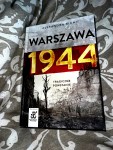
In 1943, the Nazis liquidated Warsaw’s Jewish ghetto. A year later, they threatened to complete the city’s destruction by deporting its remaining residents. A sophisticated and cosmopolitan community a thousand years old was facing its final days—and then opportunity struck. As Soviet soldiers turned back the Nazi invasion of Russia and began pressing west, the underground Polish Home Army decided to act. Taking advantage of German disarray and seeking to forestall the absorption of their country into the Soviet empire, they chose to liberate the city of Warsaw for themselves.
I need to admit here that this book has taken be solid 3 months to go through, just because and long and heavy it is. At the same time this book presents a comprehensive account of one of the most significant and tragic events of World War II. But it also offers an in-depth examination of the uprising, marked by meticulous research and vivid detail, though occasionally hindered by its dense narrative and complex structure. But as always I will explain everything in this review so if you are interested in hearing my thoughts about this book then continue reading this review.
This book book delves into the Warsaw Uprising of 1944, a heroic but ill-fated attempt by the Polish resistance to liberate their city from Nazi occupation. The author of this book paints a vivid picture of wartime Warsaw, capturing the despair and resilience of its citizens. The setting is brought to life through detailed descriptions, highlighting the stark contrast between the vibrant city and its eventual devastation.
The author of this book reconstructs the events leading up to the uprising, offering insights into the political dynamics and strategic decisions that shaped the resistance efforts. However, the extensive detail which this book gives have at times overwhelmed me personally, making it challenging to maintain a clear narrative thread.
Because of how much details and information we get dumped onto us in this book, made me feel at times that I was back to history lessons from high school. And I gotta admit that at that time I didn’t care about what the teacher was rapping about.
The author’s exploration of the historical context is one of the book’s strengths. She provides a thorough analysis of the political landscape, examining the roles of key figures such as Hitler, Himmler, and the Polish resistance leaders. This context enriches my personally understanding of the complexities and motivations behind the uprising.
At the same time this book delves into the strategic miscalculations and missed opportunities that contributed to the uprising’s failure. The author’s analysis is insightful, though it occasionally delves into intricate detail that may be challenging for readers unfamiliar with the broader historical framework. While the depth of research is commendable, it might benefit from a more streamlined presentation.
The author of this book is able to life a wide array of historical figures, from resistance fighters to Nazi leaders, providing a multifaceted view of the conflict. Her portrayal of these individuals is nuanced, highlighting their motivations, fears, and ambitions. Which has surprised me fair share about this book, which made me give this book some extra points for doing.
The focus on personal stories adds a human dimension to the historical narrative, allowing us as readers to connect with the individuals who experienced the uprising firsthand. However, the sheer number of characters can make it difficult to keep track of their individual arcs, and at times I found myself wishing for a more focused character study.
This book also delves into the tragic consequences of war, highlighting the devastation wrought upon Warsaw and its inhabitants. This theme is reinforced through vivid descriptions of the city’s destruction and the resilience of its survivors. However, the thematic exploration occasionally gets lost amidst the extensive factual detail, diluting its emotional impact.
The writing we get in this book is detailed and authoritative, reflecting her extensive research and expertise. Her prose is rich with historical detail, though this can sometimes lead to a dense and challenging reading experience. The narrative occasionally lacks a consistent flow, with abrupt shifts between different aspects of the uprising.
The pacing of this book is uneven, with sections that delve deeply into specific events or figures, sometimes at the expense of the overall narrative progression. This made it difficult for me personally to maintain engagement, particularly because I was looking for a more cohesive storyline.
I Give This Book 3 / 5

